Indie Books. Real Authors. Real Readers.

Discover books, follow authors, and join a community that reads.

Words Worth Reading, Beyond the Books

Author-written articles on reading habits, book culture, writing life, and indie publishing. Fresh perspectives from the community, every week.

Created with Avocode

The Ultimate Guide to 56 Rare and Imaginative Book Genres You’ve (Probably) Never Heard Of

Bored of the same predictable plotlines filling the shelves of your local bookstore? Beneath the mainstream publishing radar lies a hidden world of eccentric subgenres, mechanical aesthetics, and radical literary experiments. This comprehensive guide uncovers 56 of the rarest, most imaginative book genres that will completely redefine how you read and write.

The Microscopic Panopticon: Narrative Implications of Sub-Centimeter Surveillance and Smart Dust

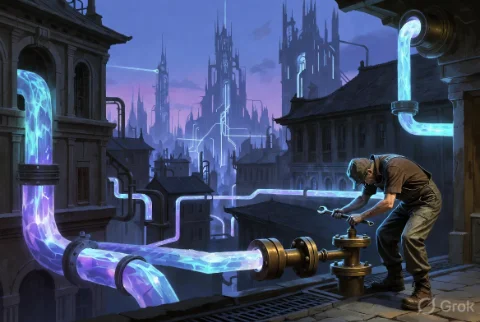
Nano-punk introduces a terrifying evolution of the surveillance state where spying devices are completely invisible to the naked eye. By exploring the concept of smart dust, writers can dismantle traditional ideas of privacy, security, and personal safety. Grounding your story in sub-meter tracking mechanics creates a unique atmosphere of constant paranoia that drives character conflict.

The Extrapolation Engine: How to Build Thought Experiments Grounded in Real Economics

Socio-political science fiction depends entirely on the believability of its future societies. By applying real economic principles like resource scarcity, labor value, and market incentives, writers can build highly immersive thought experiments. Grounding your speculative world-building in financial realities ensures that your future societies feel terrifyingly plausible to the reader.

The Poetry of the Peer Review: Finding Narrative Metaphor in Real-World Scientific Methodology

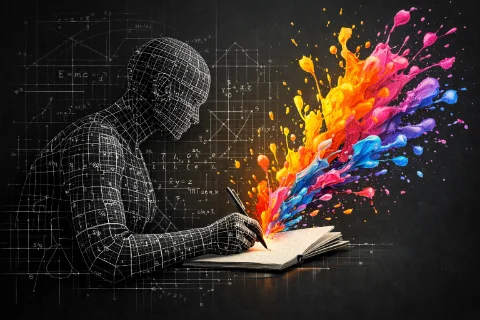
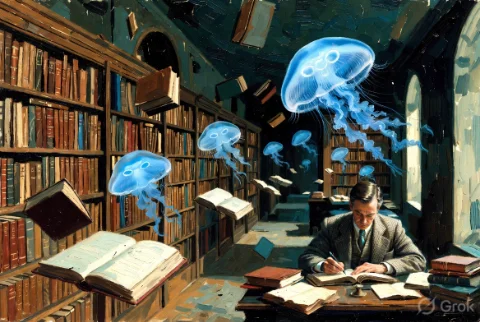
Lab lit brings the sterile world of scientific research to life by focusing on the raw human drama behind the data. By looking at rigorous processes like peer review through a literary lens, writers can uncover beautiful metaphors for personal growth, vulnerability, and truth. Transforming clinical methodology into a narrative tool allows you to write deeply emotional stories that resonate far beyond the laboratory walls.

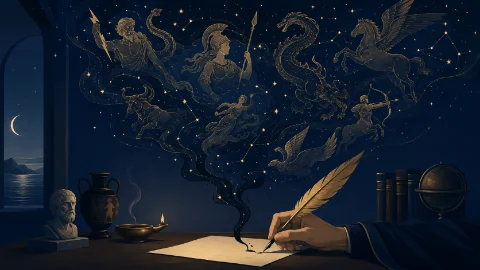
De-Sacralizing the Divine: Subverting Folklore to Critique Modern Power Structures

Mythpunk offers writers a powerful toolkit for challenging authority by dragging ancient folklore into contemporary settings. By removing the traditional reverence surrounding mythological entities, authors can expose the corruption of modern institutions. This deliberate subversion of the divine serves as an excellent narrative lens for analyzing wealth inequality and social control.

The Scanner's Perspective: Utilizing Everyday Micro-Interactions to Build Macroscopic Themes

The retail checkout lane acts as a fascinating microscope for studying modern human behavior and social dynamics. By focusing on the micro-interactions between cashiers and customers, memoirists can expose massive societal shifts in economic anxiety, empathy, and class structure. Embracing the perspective of the scanner allows writers to transform everyday grocery transactions into profound literary themes.

The Technical Sublime: Translating Aerodynamic Mechanics into Narrative Tension

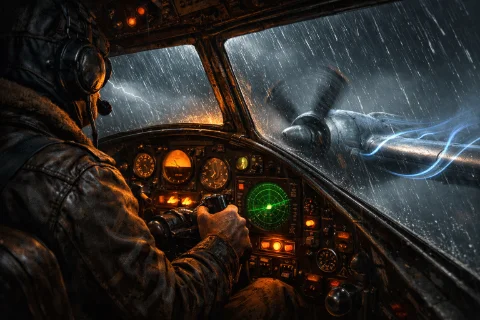
Writing aviation fiction requires finding a delicate balance between technical accuracy and emotional pacing. The technical sublime allows authors to transform raw aerodynamic concepts like lift, drag, and angle of attack into engines of pure suspense. By grounding complex flight mechanics in human survival instinct, you can make the invisible forces of nature feel like terrifying physical threats.

The Gilded Machine: Balancing Streamlined Optimism Against Dark Social Realities

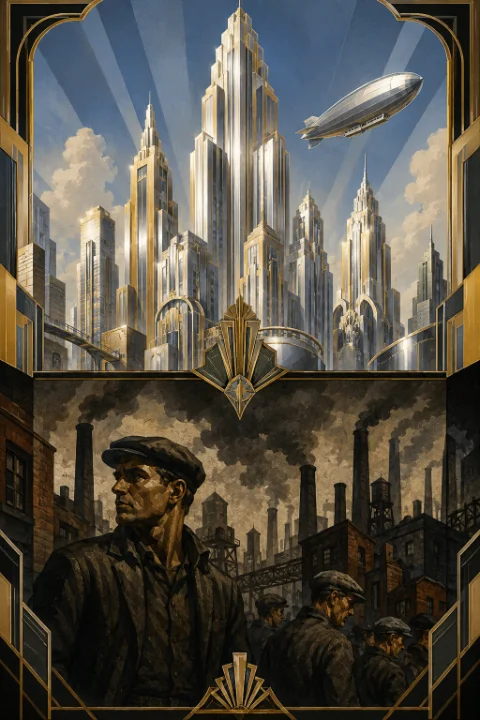
Decopunk captivates readers by reviving the sleek chrome designs and boundless technological optimism of the interwar era. However, a compelling narrative requires looking beneath this shiny veneer to examine the deep socioeconomic fractures of the period. By balancing high-speed glamour with gritty systemic struggles, writers can craft a nuanced and impactful alternate history.

Philosophical Geographies: Using Uncharted Realities to Satirize Contemporary Society

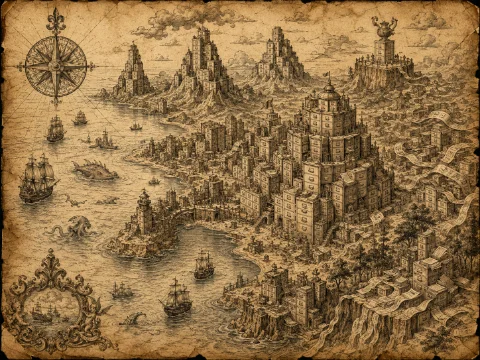
The voyage imaginaire genre allows writers to critique modern society by filtering real-world issues through fictional geography. By sending characters to entirely invented lands, authors can expose the absurdity of contemporary politics, economics, and culture. This method of speculative world-building serves as a powerful mirror for the flaws of our own time.

The Geography of Ambiguity: Techniques for Navigating the Liminal Space of Genre Fluidity

Slipstream fiction occupies a unique territory that sits directly between traditional literary fiction and speculative genres. Writing in this space requires a delicate touch to balance familiar reality with a subversive sense of strangeness. By mastering specific narrative techniques, authors can successfully guide readers through these fluid boundaries without losing emotional resonance.

Liberation Through Limitation: How Strict Formal Constraints Unlock Creative Brilliance

The Oulipo movement proves that total creative freedom can actually lead to writer's block and repetitive ideas. By forcing yourself to write under strict formal constraints, you bypass your usual habits and discover unexpected narrative paths. Embracing these artificial limitations is ultimately the fastest way to liberate your imagination and unlock raw brilliance.

The Jade Singularity: Bamboo Hydraulics, Terracotta Automata, and the Celestial Mathematics of the Dragon Throne

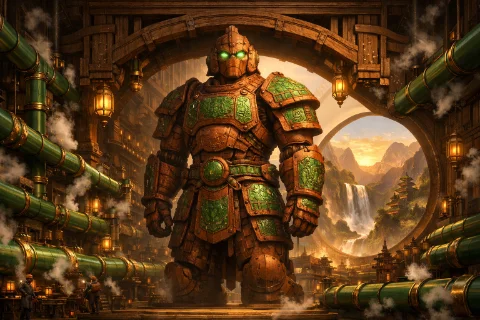
The absolute authority of the divine emperor is no longer enforced by human legions alone, but by a sprawling network of programmable stone and wood. Within the walls of the Forbidden Foundry, royal engineers bind the spiritual currents of the earth into complex mechanical vessels. This article deconstructs the incredible silkpunk infrastructure of pressurized bamboo pipelines, terracotta automatons, and the calculation of imperial dominance.

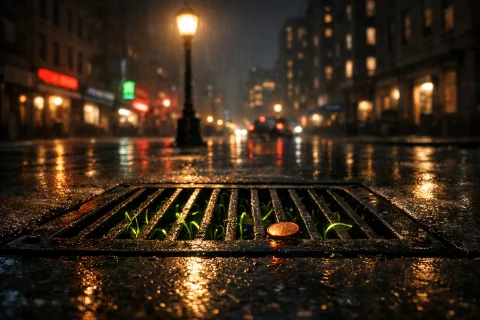
The Asphalt Changeling: Iron-Silt Substitution, Subway Grate Tributes, and the Lost Cradle of the Concrete Woods

The ancient fairylands did not vanish with the arrival of industrialization; they simply adapted to the concrete grid. Beneath the vibrating streets of metropolitan centers, an urban fairfolk swap human children for mimics constructed from modern industrial materials. This article documents the unsettling urban folklore of iron-silt substitutions, sidewalk offerings, and the hidden wilderness thriving inside our subway tunnels.