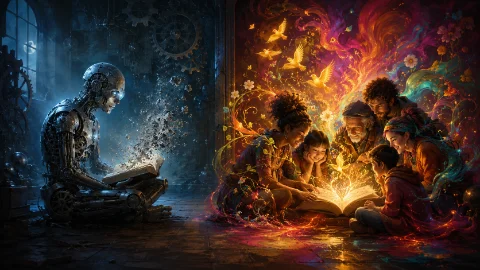
Authors like us face a modern dilemma every time we sit down to write. The publishing landscape is heavily saturated with advice on how to hack the algorithm, hit the right tropes, and perfectly categorize a novel to ensure maximum visibility. We are told to simplify our prose and stick to predictable arcs so a machine can easily recommend our work.
The problem is that algorithms are not your audience. A machine does not weep over a beautifully constructed sentence, nor does it lay awake at night pondering the moral ambiguity of your protagonist. When we write exclusively for algorithms, we strip our literature of its very soul.
The Power of Intentional Curation
To write stories that carry real depth and lasting resonance, we must shift our focus back to the human reader. This means embracing the concept of intentional curation. Instead of trying to please a massive, automated system, we should focus on the genuine book lovers who seek out independent platforms that value artistry over metrics.
When we share our rough drafts and polished manuscripts with communities of creative writers, artists, and designers, we are not looking for a data point. We are looking for a spark of human recognition. Intentional curation applies directly to your prose in the following ways.
- Curating Emotion over Tropes: Do not force a popular trope into your story just because it is trending. Let the emotional truth of your characters dictate the plot.
- Curating Vocabulary: Choose specific, resonant nouns and verbs rather than relying on the simple, easily digestible vocabulary favored by mass-market formulas.
- Curating Pacing: Allow your narrative to breathe. Give your readers the white space they need to reflect on the subtext of your scenes.
Exploring the Grey Areas
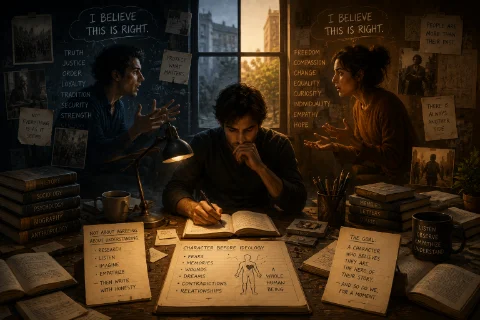
Algorithms require distinct categories to function properly. They want a story to be entirely good or entirely evil, strictly a romance or strictly a thriller. Human beings, however, exist in the messy grey areas of life.
The most captivating literature explores complex archetypes that defy simple classification. Your characters should make mistakes, harbor contradictions, and struggle with choices that lack a clear, correct answer. This ambiguity is what makes a story feel authentic. It invites the reader to step inside the narrative and actively participate in the emotional journey, rather than just passively consuming content.
A Manifesto for the Independent Author
As you continue to build your craft, keep this simple comparison in mind to ensure you are always writing for a human heart.
| The Algorithmic Approach | The Human-Centered Approach |
|---|---|
| Relies on predictable, market-tested tropes. | Explores the unpredictable grey areas of reality. |
| Prioritizes rapid pacing and simple vocabulary. | Prioritizes lasting resonance and intentional curation. |
| Produces content that feels mass-produced. | Crafts literature that feels passed down. |
We must remember that the ultimate goal of storytelling is connection. Let the machines have their formulas. For the rest of us, we will continue doing the hard, beautiful work of creating art that truly matters.