The Cover Reveal Timeline That Builds Real Anticipation (Not Just Noise)
Most cover reveals peak too early and fade by launch day. Here is the timing that keeps readers waiting instead of scrolling past.
Author-written articles on reading habits, book culture, writing life, and indie publishing. Fresh perspectives from the community, every week.
Most cover reveals peak too early and fade by launch day. Here is the timing that keeps readers waiting instead of scrolling past.
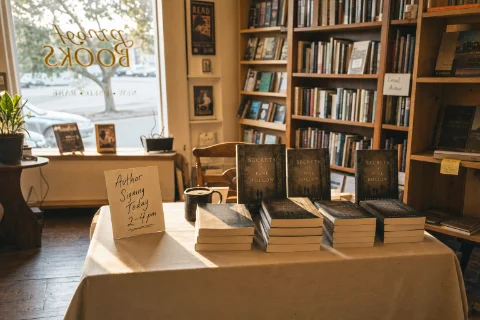
One small habit at the signing table sends readers walking away in seconds, and it's easier to fall into than most authors realise.
Book reviews help indie authors build credibility, improve discoverability, and persuade new readers to give their books a chance. This guide explains how to get reviews and use them effectively in your marketing.
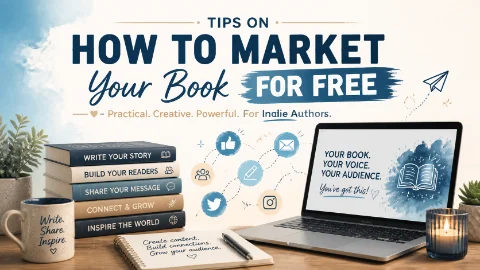
Self-published authors can market their books effectively without a big budget. This guide shares actionable low-cost and free strategies—from content and community to email and launch tactics—that build real momentum over time.
Social media can help you sell more books, but only if you use it in a way that feels sustainable. This guide shows indie authors how to build a calm, focused social presence that supports their work without draining their creativity.
An author platform should do more than make you visible. It should help readers discover your work, trust your voice, and move naturally from interest to purchase.
Email marketing is an indie author's most reliable tool for long-term success. This guide covers how to set up an author newsletter, create compelling reader magnets, and write welcome sequences that turn casual readers into loyal fans.
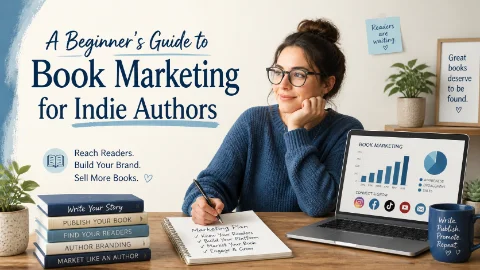
Indie authors carry most of the marketing responsibility, but a clear plan makes it easier. This beginner guide covers the essentials of building your brand, using email, creating content, and growing visibility step by step.
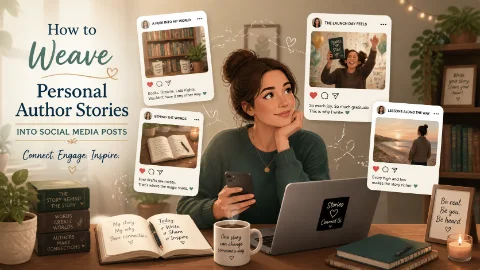
Personal author stories can transform ordinary social media posts into meaningful connections with readers. This article shows indie authors how to share real moments, keep posts concise, and connect their experiences to their books in a natural, authentic way.
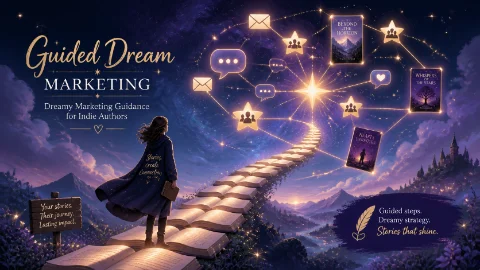
Guided Dream Marketing treats your author career like a living story. Instead of scattered tactics, you shape a clear reader journey where every cover, blurb, email, and post extends the same dream, helping indie authors build loyal audiences over time.
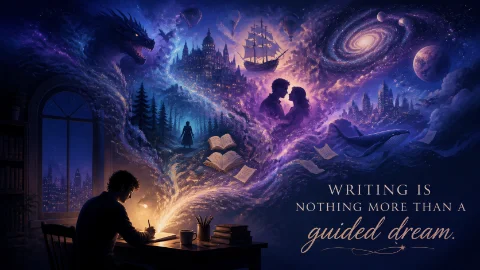
For indie authors, every book begins as a guided dream. This article explores how to shape that dream into a strong story, invite readers into your world, and let your creative voice lead your career across any genre.
Indie authors can successfully promote their books without a big ad budget. This guide shares simple free tactics using content writing, email lists, social media, and networking so your stories reach more readers over time.
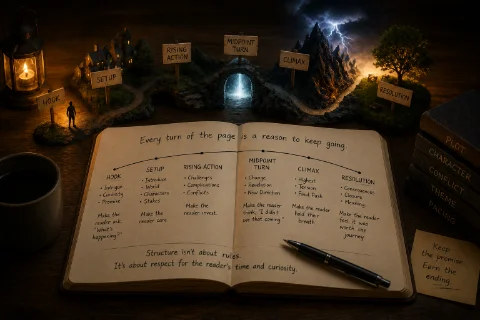
Story structure is not just the shape of a book. It is the quiet persuasion system that makes readers want one more page.
The best endings do not stop when the book ends. They continue quietly inside the reader.
When asked to buy, as of now, the Indian readers may say there is nothing Inspiring, barring an odd God of Small Things for them to venture into the arena of Indian creative writing. The vital links in the chain are the publishers who should consciously look for, and promote rue Indian experiences sans Western trespassing. It is only thus, in time, we may have our own Tolstoys and Zolas, who one day could trod the world literary scene as colossuses, and make India the land of a thousand classics
The problem is writing has come to be regarded as a means to acquire name and fame, if not money, and it does not matter as long as the writer is in the news, never mind whether someone really comes to read to enjoy or tends to be provoked by the book. Unfortunately for literature, the greater rewards of writing lost their relevance and the lesser benefits came to mean everything. Till this is understood, unkind cuts would continue to be inflicted in the arena of Indian writing. That’s for sure.
A genius character does not impress readers by knowing everything. They impress readers by noticing what everyone else misses.
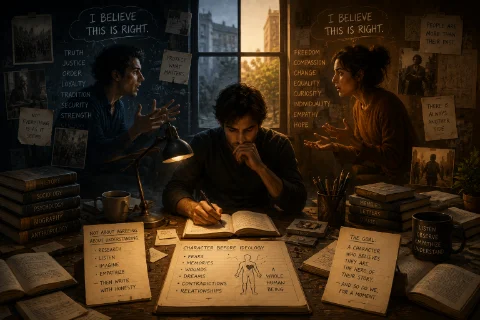
A believable character is not someone who agrees with the author. They are someone who believes themselves.