What Is Paranormal Fiction? A Genre Guide for Readers
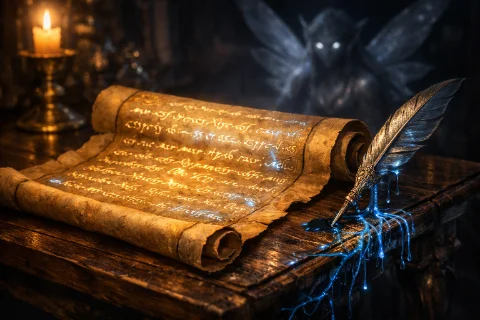
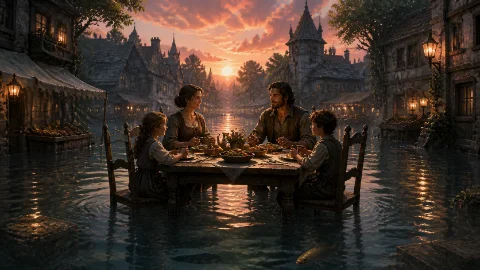
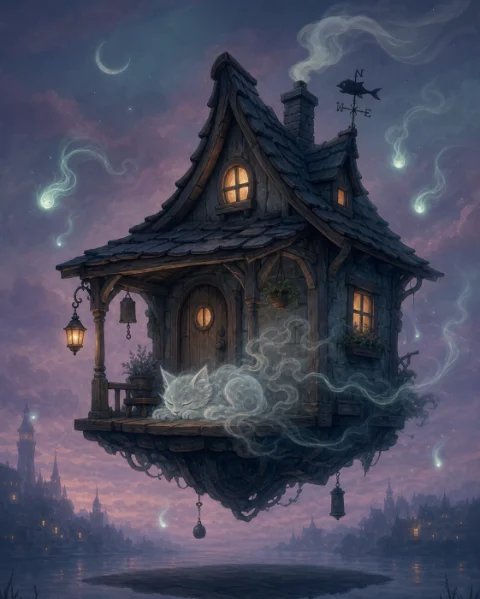
Paranormal fiction lives in the gap between what we can explain and what we can't. It's where ghosts pay rent, witches do the school run, and the supernatural feels oddly close to home.
Everything tagged genre fiction — articles written by indie authors and readers on topics that matter to the community.
Paranormal fiction lives in the gap between what we can explain and what we can't. It's where ghosts pay rent, witches do the school run, and the supernatural feels oddly close to home.
Epic fantasy is a fantasy genre featuring vast imaginary worlds, powerful magic, legendary heroes, and world-changing conflicts. These stories often include kingdoms, ancient prophecies, epic battles, and unforgettable quests. This beginner’s guide explains epic fantasy in simple language with clear examples.
Urban fantasy is a fantasy genre where magic, supernatural beings, or mythical forces exist in a modern real-world setting. These stories often combine city life with hidden magical worlds, secret powers, monsters, mystery, and danger. This beginner’s guide explains urban fantasy in simple language with clear examples.
Commercial fiction is fiction written to appeal to a broad reading audience. It often focuses on strong plots, clear storytelling, emotional engagement, and reader satisfaction. This beginner’s guide explains commercial fiction in simple language with examples and key features.
A book genre is a category that helps readers understand what kind of story or information a book offers. Genres make it easier to choose, describe, and market books. This beginner’s guide explains book genres in simple language with clear examples.
Readers have already seen the world, which means familiar scenes risk sliding past them unnoticed. Defamiliarization is the craft technique that disrupts automatic perception, forcing a reader to actually look at the ordinary moment in front of them instead of simply recognizing its category and moving on.
Mastering the push‑and‑pull between immersive scenic writing and brisk summary gives your story a rhythm that keeps readers turning pages. Learn when to zoom in for emotional impact and when to glide over time to maintain momentum.
Tired of broad categories like fantasy or mystery? The indie reading community is teeming with hyper-specific micro-genres tailored to your exact tastes. Find out how diving into niche categories can completely transform your reading experience.
Climate collapse fiction thrives on plausibility and emotion. In this behind the scenes look, I share how I research near future environmental collapse, choose my sources, and turn those decisions into both powerful storytelling and smart SEO.
Modern dark fiction has evolved far beyond simple end of the world stories. Survival thrillers, climate collapse tales, grimdark epics, and pre-apocalyptic dramas explore how people break, adapt, or transform when everything familiar begins to fall apart.
Dystopian and apocalyptic fiction continue to dominate modern storytelling. From ruined civilizations to morally complex survivors, these genres reflect real fears while offering gripping narratives that readers cannot resist.
The literary vs. genre distinction shapes how you write, query, market, and position your book—yet many authors misunderstand the boundary. This breakdown clarifies the differences and shows how the best fiction transcends both.