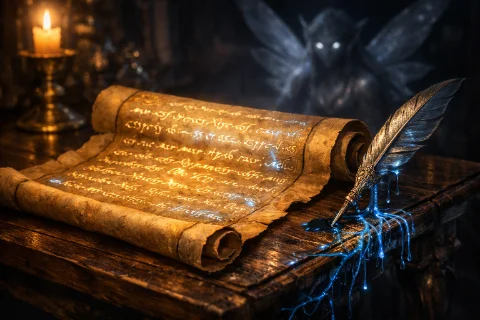
In the realm of fantasy and folklore, a contract with the fae is never a simple business transaction. It is a binding magical reality. While mortal laws rely on judges and courts for enforcement, fae bargains are fueled by ancient magic that automatically penalizes anyone who breaks them. For an unwary mortal, entering into an agreement with the fair folk is one of the most perilous decisions they can make.
The Power of Exact Language
The foundation of any fae contract is strict, literal truth. Fae are bound by their nature and cannot tell a direct lie. However, this restriction has made them masters of linguistic deception. They do not need to lie when they can use double meanings, omissions, and hyper-literal interpretations to trap their targets.
When dealing with the fae, every word matters, and intent means nothing. If a mortal bargains for wealth, a fae might deliver a chest of gold that turns to dry leaves at sunrise, or gold stolen from a local king, framing the mortal for the crime. The fae did not lie; they provided the wealth as promised. The disastrous consequences are simply the result of the mortal failing to specify the terms.
Common Pitfalls and Rules of Exchange
Fae contracts rarely involve ink and parchment. Instead, they are forged through spoken words, accepted gifts, or symbolic gestures. Understanding how these agreements are activated is crucial for survival.
The Trap of Hospitality: Accepting food, drink, or shelter in a fae realm is often viewed as entering a tacit contract. By consuming their sustenance, a mortal implicitly agrees to their rules and places themselves under their jurisdiction.
The Debt of Gratitude: Expressing thanks is a form of currency in fae society. Saying thank you acknowledges that a favor was performed and creates an immediate imbalance. The fae will expect that debt to be paid, often demanding something far more valuable than the original favor.
The Vague Request: Asking a fae for a favor without defining the cost gives them the right to name their price later. This price is rarely monetary; they prefer to bargain for abstract concepts like a person's firstborn child, their memories, or their last breath.
Breaking the Unbreakable
Once a fae contract is sealed, it cannot be broken by force or magical counterspells. The magic enforcing the deal is absolute. To escape a bad bargain, a mortal must beat the fae at their own game.
The only way out of a fae contract is to find a loophole in the exact wording of the agreement. If the contract states that a debt must be paid when the sun rises, the mortal might find safety in a realm where the sun never sets, or exploit a day when an eclipse occurs. Because the fae value the sanctity of the written or spoken word above all else, they will honor a loophole if a mortal is clever enough to find one. It is a game of wits where the stakes are entirely existential.