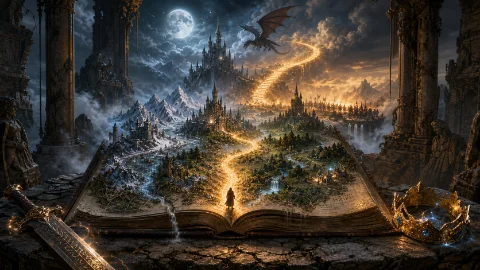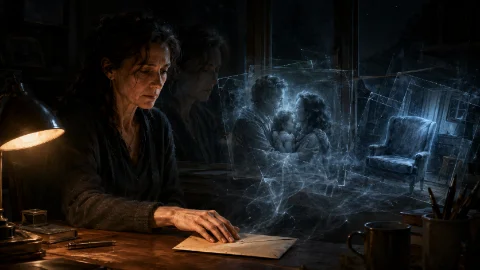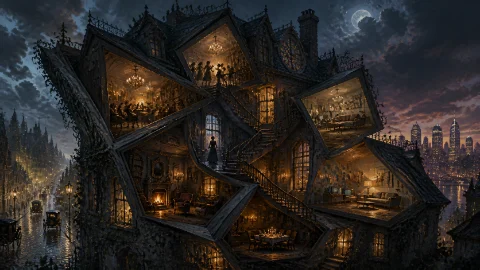
Gothic fiction is a genre built around atmosphere, decay, and the slow unease of things left unresolved. It typically features old, crumbling settings, isolated mansions, ruined abbeys, fog-bound moors, and uses them to create a constant low hum of dread. Family secrets, inherited guilt, and the weight of the past are recurring obsessions. Something is always wrong beneath the surface, even when nothing overtly supernatural is happening.
What separates gothic fiction from horror is pacing and intent. Horror often aims for a sharp jolt of fear. Gothic fiction is slower and more atmospheric, more interested in dread that builds gradually than in shock that lands all at once. The setting itself usually carries as much narrative weight as the characters, decaying architecture mirrors decaying minds, families, or moral order.
Where the Genre Began
Gothic fiction traces back to eighteenth-century England, with Horace Walpole's The Castle of Otranto widely credited as the genre's starting point. It drew heavily on medieval imagery, ruined castles, ghostly apparitions, ancient curses, partly as a reaction against the rationalism of the Enlightenment. Where Enlightenment thinking prized reason and order, gothic fiction revelled in the irrational, the eerie, and the unexplained.
The genre boomed through the nineteenth century, producing some of literature's most enduring works, and its influence never really faded. Its fingerprints are all over modern horror, paranormal romance, and even literary fiction that leans into family dysfunction and inherited trauma.
Key Features of Gothic Fiction
A few elements show up again and again, almost as genre signatures.
Setting as atmosphere. Crumbling estates, isolated locations, and oppressive architecture aren't just backdrop, they actively shape the mood and often the plot itself.
The past intruding on the present. Old secrets, family curses, and unresolved guilt tend to resurface no matter how hard characters try to bury them.
Psychological unease. Gothic fiction often blurs the line between what's real and what's imagined, leaving both characters and readers uncertain.
A looming sense of doom. Even quiet scenes carry tension. The genre rarely lets readers feel fully safe.
Isolation. Characters are frequently cut off, geographically, socially, or emotionally, which intensifies the claustrophobic feel the genre relies on.
Gothic Fiction vs Horror vs Paranormal Fiction
These three genres share DNA but diverge in focus.
Horror prioritises fear as the primary emotional goal, often through more immediate threats or violence.
Paranormal fiction centres on a clearly supernatural element intruding into an otherwise ordinary modern setting.
Gothic fiction is less about a single supernatural threat and more about a sustained mood of dread, decay, and psychological tension, with or without anything explicitly supernatural at all. A gothic novel can have no ghosts whatsoever and still feel thoroughly haunted.
Modern Gothic Fiction
The genre hasn't stayed locked in the nineteenth century. Contemporary gothic fiction has adapted into Southern Gothic, with its decaying plantations and buried family histories, domestic gothic, which finds horror in marriage and the home rather than castles, and gothic romance, which keeps the brooding atmosphere but leans into a central love story.
What's stayed constant across all these variations is the core gothic instinct: something is wrong, it's connected to the past, and the setting itself is in on the secret.
Common Mistakes Writers Make With the Genre
A frequent stumble is mistaking gothic atmosphere for gothic aesthetics alone. Fog and candlelight aren't enough on their own. Without genuine psychological tension or unresolved history underneath, the result reads as decoration rather than gothic fiction.
Another common issue is rushing the dread. Gothic fiction relies on a slow accumulation of unease. Pacing it like a thriller, with quick reveals and constant action, tends to flatten the very atmosphere the genre depends on.
Exploring Gothic Fiction Further
For readers who enjoy a slow creep of dread over a sudden scare, gothic fiction rewards patience. Independent authors have found particularly interesting ground here too, often blending gothic atmosphere with contemporary settings or underrepresented histories in ways that traditional publishing has been slower to embrace.