Paranormal fiction is built around the idea that something beyond ordinary human experience exists, and that it can be encountered, lived with, or even fallen in love with. Ghosts, psychics, shapeshifters, witches and other unexplained phenomena sit at the centre of the story, usually woven into a world that otherwise looks a lot like our own.
That last part matters. Unlike high fantasy, which builds entirely new worlds with their own rules, paranormal fiction tends to keep one foot in reality. The setting might be a small town, a city flat, or a school, and the supernatural element intrudes on that familiar backdrop rather than replacing it. This is part of why the genre feels so personal to readers. It's not escapism into another universe so much as a "what if" layered on top of the one we already live in.
How It Differs From Horror and Fantasy
These genres overlap constantly, which is why bookshop shelving can feel like guesswork. A rough way to separate them:
Horror is built to frighten. The supernatural element exists to unsettle or terrify, and tension is the engine of the plot.
Fantasy builds its own internal logic and often its own world, with magic systems, invented geography, and rules that don't need to map onto our reality.
Paranormal fiction sits in between. It can be scary, romantic, funny, or mysterious, but its defining trait is the presence of supernatural elements within a recognisably real-world setting. The emotional tone is flexible. The blend of ordinary and otherworldly is not.
The Main Subgenres
Paranormal fiction branches out further than most readers realise.
Paranormal romance pairs a love story with supernatural characters, vampires, werewolves, witches, and has powered some of the biggest commercial successes in modern publishing.
Paranormal mystery uses supernatural ability, often psychic or mediumistic, as a tool for solving a crime or uncovering a secret.
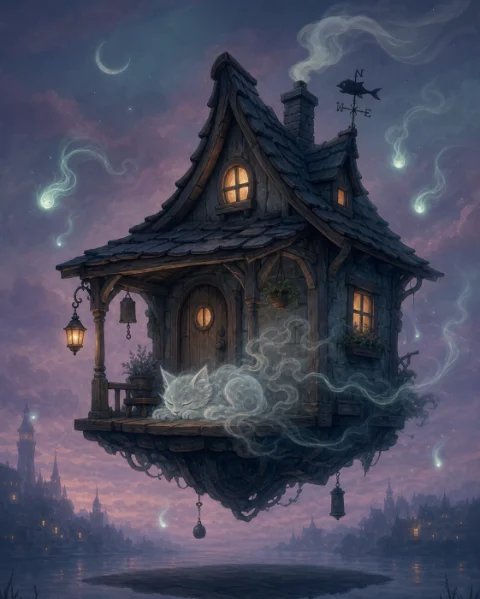
Paranormal cosy is a quieter, gentler corner of the genre. Think small-town witches running tea shops, ghosts who haunt out of loneliness rather than menace, and stakes that stay low and warm.
Urban fantasy crosses over heavily here too, usually distinguished by a more action-driven plot and a protagonist who operates within a hidden supernatural society.
Knowing these distinctions helps both readers find what they actually want and authors position their work accurately, which matters more than it might seem for discoverability.
Why Readers Keep Returning to It
Paranormal fiction offers something quite specific: the comfort of a recognisable world with the thrill of something unexplained sitting just underneath it. Readers don't have to learn an entirely new set of rules to enjoy the story, but they still get the rush of stepping outside the boundaries of ordinary life.
There's also an emotional logic to a lot of paranormal fiction that pure horror doesn't always offer. Ghosts often represent unfinished business. Psychic ability frequently mirrors emotional sensitivity. Shapeshifting can stand in for identity and belonging. The supernatural becomes a way of externalising very human feelings, which gives the genre more depth than it sometimes gets credit for.
A Few Things Writers Often Get Wrong
If you're writing in this space, a couple of common stumbles are worth flagging.
The first is over-explaining the supernatural element. Part of what makes paranormal fiction compelling is the mystery itself. Readers don't need a scientific breakdown of how the ghost works, they need to feel its presence and understand what it means for the story.
The second is losing the "ordinary world" anchor. If everyone in the story is supernatural and nothing feels grounded, the book risks drifting into fantasy territory and losing the specific tension that makes paranormal fiction distinct, that friction between the every day and the inexplicable.
Finding and Sharing Paranormal Fiction
Whether you're a reader hunting for your next haunted read or an author working in this space, paranormal fiction rewards a bit of exploration beyond the bestseller lists. Some of the most interesting work in the genre right now is happening in independent publishing, where writers have more freedom to blend subgenres and take the kind of risks bigger imprints often avoid.