What Traditional Publishing Still Gets Right (and How Indies Can Borrow It)
Indie publishing has good reason to reject a lot of traditional practice, but not all of it. Here's what's still worth borrowing, and how to adapt it.
Author-written articles on reading habits, book culture, writing life, and indie publishing. Fresh perspectives from the community, every week.
Indie publishing has good reason to reject a lot of traditional practice, but not all of it. Here's what's still worth borrowing, and how to adapt it.
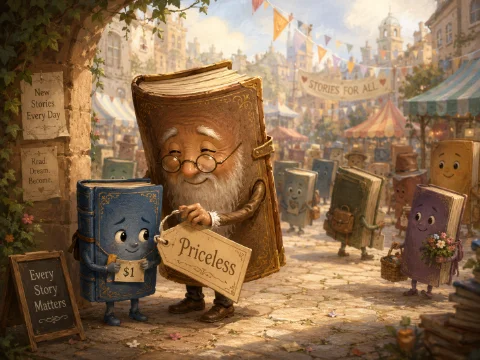
Pricing feels like a small decision, but most first-time self-published authors make the same costly mistake with it. Here's what to do instead.
Translation tends to get treated as a traditional publishing milestone. Here's why it's also a realistic, underused growth strategy for self-published authors.
Two copies of the same print-on-demand book can look noticeably different. Here's why print-on-demand quality varies more than most authors expect.
Rights reversion usually comes up in traditional publishing, but self-published authors deal with their own version of it. Here's what a second life can look like.
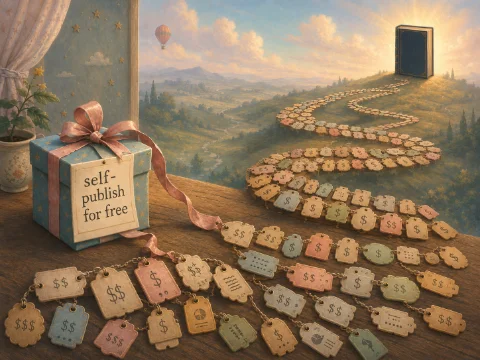
Self-publishing is often pitched as low-cost, but several real expenses rarely get mentioned upfront. Here's what new indie authors actually end up paying for.
Subplots tend to get lost somewhere between book two and book four of a series. Here are free tools that make tracking them genuinely manageable.
The most powerful line in a scene is often the one nobody says. A character who almost confesses something and changes the subject. A silence that stretches one beat too long. Subtext and strategic silence are not decoration on top of dialogue. They are often the actual content of the scene.
Real Stories come from the REFLECTIONS of Real People
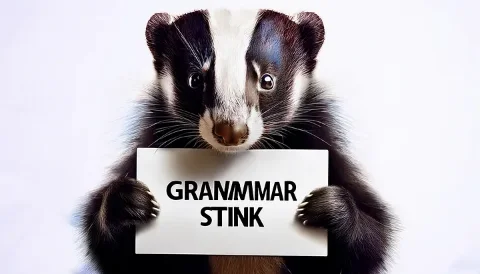
Being Correct While Bypassing Stinky Grammar/Punctuation Jargon
These days, it’s fun and exciting to think of oneself as an outlier… a rebel. That’s okay, but when it comes to our writing, where do we draw the line between rebelling with style and doggedly following all the rules? Here’s my take on it…
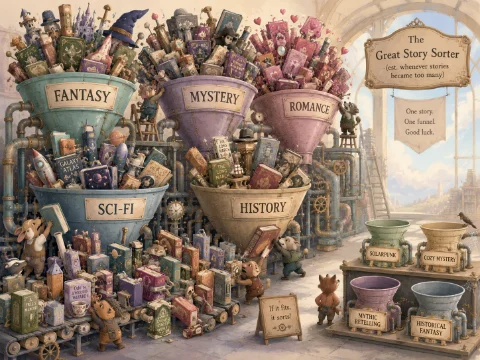
Most discovery sites organise books by broad genre labels, but that's rarely how readers actually search. Here's where genre filtering tends to go wrong.
Self-promotion doesn't come naturally to every author. Here's how to approach podcast guesting in a way that feels genuine instead of forced.
Old titles don't need a dramatic relaunch to find new readers. Here's how steady, low-key backlist promotion can quietly outperform a one-time event.
Rapid release has long been indie publishing's default strategy. Here's why a growing number of authors are slowing down instead, and what's driving the shift.
Reddit and Discord aren't the only writing communities worth your time. Here are the quieter, often more useful spaces most writers overlook entirely.
Amazon dominates book sales, but discovery is a different story. Here's where indie readers are actually finding new authors before they ever search a title.
National outlets ignore most indie pitches, but small-town papers still answer their email. Here's a practical pitch template built for local press.