Romantasy is one of the biggest stories in publishing right now. It is also one of the most misunderstood.
Some readers assume it means fantasy with a romantic subplot thrown in for flavour. Others assume it is simply romance wearing a fantasy costume. Neither quite captures it.
Romantasy is its own genre, with its own rules, its own devoted readership, and its own reasons for being so wildly popular. This guide explains what actually defines it, breaks it into its main subtypes, and gives you a clear place to start.
What Romantasy Actually Is
Romantasy sits exactly where its name suggests, at the true intersection of romance and fantasy, giving equal weight to both.
That balance is the key. In romantasy, the central love story is not decoration. It carries as much narrative weight as the fantasy plot itself. The fate of the kingdom matters, but so does whether these two characters end up together, and the book refuses to treat one as more important than the other.
This is different from fantasy with romantic elements, where the love story supports a plot that would still function without it. In romantasy, pull the romance out and the whole book collapses.
Where Romantasy Came From
Romantasy did not appear overnight, though it can feel that way given its recent explosion.
It grew from decades of fantasy romance and paranormal romance traditions, then found a new, enormous audience through social media, particularly BookTok, where readers began sharing and championing the genre with real passion. Huge commercial successes brought it firmly into the mainstream conversation, but the genre's roots run much deeper than its current moment of fame.
The Rules Readers Expect
Every genre carries expectations, and romantasy readers are particular about theirs.
A satisfying romantic arc matters enormously, often including real emotional payoff by the end. Spice level matters too, since romantasy spans everything from entirely closed-door romance to explicitly detailed scenes, and readers care a great deal about knowing which they are getting before they start.
Worldbuilding still needs to hold up on its own merits. A weak fantasy world with a strong romance disappoints readers just as much as a weak romance in a strong world. Both halves need to earn their place.
Fae and Courtly Romantasy
This is the flavour most readers picture first when they hear the word romantasy.
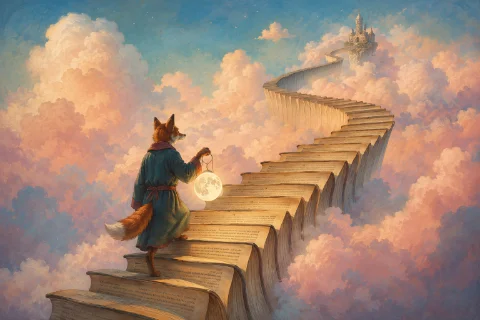
Fae courts, ancient magic, and forbidden bonds between mortal and immortal characters sit at the centre of this subtype. Politics and power struggles within magical courts often run alongside the central romance, giving the story stakes beyond the relationship itself.
If you want lush, atmospheric worldbuilding paired with a slow-building romantic tension, this is the natural starting point.
Dragon Rider and Military Romantasy
A newer wave of romantasy leans into military academies, dragon riders, and high-stakes training grounds where danger and attraction sit side by side.
This subtype tends to move fast, mixing action, rivalry, and romantic tension in equal measure. If you want momentum and adrenaline alongside your love story, this flavour delivers it.
Grimdark and Morally Complex Romantasy
Some romantasy takes a darker turn, pairing brutal worldbuilding with romances between characters who are not conventionally good.
Enemies, rivals, and morally grey figures dominate this subtype, and the romance often develops through danger and distrust rather than comfort. If you enjoyed grimdark fantasy and wondered whether it could carry a genuine love story too, this is where to look.
Cosy and Lighter Romantasy
Not every romantasy needs high stakes and heartbreak. A gentler branch of the genre favours lower danger, warmer tone, and a comforting emotional journey.
Found family, small magical communities, and sweet rather than tense romantic development define this flavour. It suits readers who want the fantasy escape without the emotional gauntlet.
How to Choose Your Starting Point
With several distinct flavours under one label, matching the subtype to your actual taste matters more than picking whatever is trending loudest.
If you want lush courts and forbidden bonds, start with fae romantasy. If you want fast-paced action and rivalry, try dragon rider romantasy. If you want moral complexity and danger, grimdark romantasy is your door in. If you want warmth and comfort, cosy romantasy will suit you best.
Check the spice level before you start too. It varies enormously across the genre, and knowing what you are getting into makes the reading experience far more enjoyable.
Give Indie Romantasy a Real Look
Indie authors are doing some of the most experimental work in romantasy right now, often building unconventional pairings and world rules a bigger publisher might hesitate to greenlight.
Because romantasy readers are famously vocal and generous with recommendations, indie titles in this genre travel fast through word of mouth once they find their first devoted fans. A reader community built around genuine discovery, like Indie Reading Community, is one of the best places to find these books early, recommended by readers who loved them rather than by an algorithm chasing what is already popular.
Romantasy is not fantasy with romance sprinkled on top, and it is not romance wearing a fantasy costume. It is its own genre, built on giving both halves equal weight.
Work out which flavour suits you, whether that is fae courts, dragon riders, grimdark danger, or cosy warmth. Check the spice level, and do not overlook the ambitious indie titles quietly building some of the genre's freshest ideas.
The right romantasy book does not just tell you a story. It makes you root for two things at once, and that is exactly the point.
Pick your starting point today.