Introduction
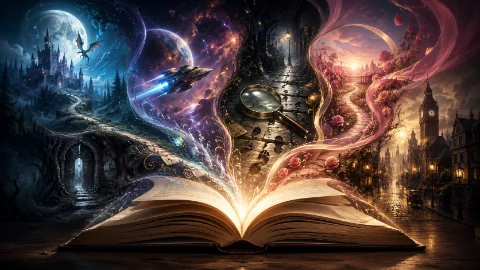
When you walk into a bookstore or browse books online, you will often see sections like romance, fantasy, mystery, thriller, biography, history, self-help, and children’s books. These sections are not random. They are called book genres.
A book genre is a way of grouping books based on their style, subject, story type, tone, or reader expectation. It helps readers quickly understand what kind of book they are looking at. It also helps writers know where their book belongs and how to reach the right audience.
For beginners, book genres can seem confusing because many books fit into more than one category. A novel can be both romance and fantasy. A nonfiction book can be both memoir and self-help. Still, understanding genres is one of the easiest ways to become a better reader, writer, reviewer, or book marketer.
What Is a Book Genre?
A book genre is a category used to describe a book based on its content, theme, structure, or purpose.
In simple words, genre tells us what type of book it is.
For example, a book about solving a murder is usually a mystery. A book about magic, imaginary kingdoms, dragons, or supernatural worlds is usually fantasy. A book about someone’s real life is often biography, autobiography, or memoir.
Genres help answer one basic question:
What kind of reading experience will this book give?
Some genres promise excitement. Some promise knowledge. Some promise emotion. Some promise fear, hope, laughter, romance, adventure, or deep reflection.
Why Are Book Genres Important?
Book genres are important because they help readers find books they are likely to enjoy.
A reader who loves fast-paced danger may search for thrillers. A reader who enjoys emotional relationships may choose romance. A reader who wants practical life advice may look for self-help books. Without genres, finding the right book would be much harder.
Genres also help writers understand reader expectations. A mystery reader usually expects clues, suspects, tension, and a final solution. A romance reader usually expects emotional connection, relationship conflict, and a satisfying romantic ending. A fantasy reader may expect worldbuilding, magic systems, quests, or mythical elements.
For authors, choosing the right genre can affect book covers, titles, descriptions, keywords, marketing, and reader reviews.
Fiction and Nonfiction: The Two Main Book Categories
Most books first fall into one of two broad categories: fiction or nonfiction.
What Is Fiction?
Fiction is writing that comes from imagination. The characters, events, places, or situations may be invented, even if they are inspired by real life.
Examples of fiction genres include:
Romance
Fantasy
Science fiction
Mystery
Thriller
Horror
Historical fiction
Adventure
Young adult fiction
Children’s fiction
Fiction is often built around characters, plot, conflict, emotion, and storytelling.
What Is Nonfiction?
Nonfiction is writing based on real people, real events, real facts, real ideas, or practical information.
Examples of nonfiction genres include:
Biography
Autobiography
Memoir
Self-help
Business
History
Travel
True crime
Health and wellness
Science
Religion and spirituality
Nonfiction is often written to inform, teach, explain, inspire, persuade, or document real experiences.
Common Examples of Book Genres
There are many book genres, but some are more common than others. Here are a few beginner-friendly examples.
Romance
Romance books focus on love, relationships, emotional connection, and romantic conflict. The central story usually follows two people as they move toward love, trust, or commitment.
Fantasy
Fantasy books include magical, supernatural, or imaginary elements. They may include invented worlds, mythical creatures, magic, quests, prophecies, or heroic journeys.
Science Fiction
Science fiction explores ideas connected to science, technology, space, time travel, artificial intelligence, future societies, or advanced inventions.
Mystery
Mystery books usually center on a crime, puzzle, secret, or unexplained event. The story often follows someone trying to discover the truth.
Thriller
Thriller books are built around suspense, danger, tension, and urgency. They are often fast-paced and designed to keep readers turning pages.
Horror
Horror books are written to create fear, dread, shock, or unease. They may include ghosts, monsters, psychological fear, dark settings, or supernatural threats.
Historical Fiction
Historical fiction is set in the past. It may include real historical events, places, or social conditions, but the main story and characters may be fictional.
Biography
A biography tells the story of a real person’s life. It is usually written by someone other than the person being discussed.
Memoir
A memoir is a personal nonfiction book where the writer shares important memories, experiences, lessons, or life events from their own perspective.
Self-Help
Self-help books give advice, methods, or guidance to improve some part of life, such as confidence, habits, relationships, productivity, mindset, money, or health.
Can One Book Have More Than One Genre?
Yes. Many books belong to more than one genre.
This is called a cross-genre book or a genre blend. For example, a book can be a romantic fantasy if it contains both romance and fantasy elements. A book can be a historical mystery if it is set in the past and focuses on solving a crime. A book can be a science fiction thriller if it uses futuristic technology and a suspenseful plot.
This is why genre is not always a strict box. It is more like a guide. It helps readers understand the main direction of the book.
What Is a Subgenre?
A subgenre is a smaller category within a larger genre.
For example, romance is a genre. Historical romance, paranormal romance, contemporary romance, and romantic suspense are subgenres.
Fantasy is a genre. Epic fantasy, urban fantasy, dark fantasy, and cozy fantasy are subgenres.
Mystery is a genre. Cozy mystery, detective fiction, police procedural, and locked-room mystery are subgenres.
Subgenres give readers a more specific idea of what to expect.
Genre vs Theme: What Is the Difference?
Genre and theme are not the same.
Genre is the category of the book. It tells us what type of book it is.
Theme is the deeper idea or message inside the book. It tells us what the book is really exploring.
For example, a book’s genre may be fantasy, but its themes may include courage, friendship, power, sacrifice, or identity.
A book’s genre may be romance, but its themes may include trust, healing, forgiveness, or second chances.
How Readers Use Book Genres
Readers use genres to find books that match their mood, interest, or reading habits.
Someone may choose a cozy mystery when they want something light but puzzling. Another reader may choose horror when they want fear and suspense. A business reader may look for entrepreneurship books to learn practical strategies. A young reader may search for middle grade adventure or children’s fantasy.
Genres save time because they act like signs on a bookshelf.
How Writers Use Book Genres
Writers use genres to understand their audience.
Before writing a book, an author may ask:
Who is this book for?
What kind of story am I writing?
What do readers of this genre expect?
Which shelf or category should this book appear in?
What kind of cover, title, and description will fit this genre?
A clear genre helps an author position the book correctly. It also helps readers decide whether the book is right for them.
How to Identify the Genre of a Book
To identify a book’s genre, look at the main focus of the book.
Ask these simple questions:
Is the book imaginary or based on facts?
Is the main focus love, mystery, fear, adventure, history, or knowledge?
What kind of emotion does the book create?
What problem or journey drives the book?
Where would the book appear in a bookstore or online category?
What kind of reader would enjoy it most?
The answers will usually point to the correct genre.
Why Genre Matters in Book Marketing
Genre is very important in book marketing because readers often search by category.
Online bookstores, book blogs, book listing websites, libraries, and review platforms use genres to organize books. A book with the wrong genre may reach the wrong readers. That can lead to confusion, weak interest, or poor reviews.
For example, if a slow literary drama is marketed as a fast thriller, thriller readers may feel disappointed. If a horror novel is placed under children’s fiction by mistake, it may reach the wrong audience.
The right genre helps the right reader find the right book.
Final Thoughts
A book genre is more than a label. It is a guide for readers, writers, publishers, reviewers, librarians, and book marketers.
For readers, genre helps make book discovery easier. For writers, genre helps shape the story, audience, cover, description, and promotion. For beginners, learning genres is one of the simplest ways to understand the world of books.
Whether you are choosing your next read or preparing to write your own book, genre gives you a starting point. It helps you know what kind of journey the book offers before you even open the first page.