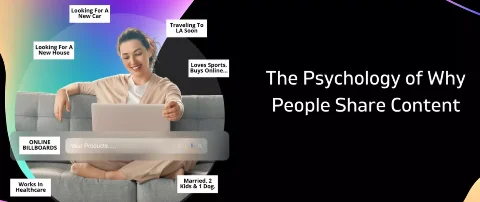
Every day, millions of articles, posts, and videos are published online, but only a small fraction of them get widely read or shared. The difference often lies not just in quality, but in psychology—how human emotions, attention, and social behavior influence content consumption.
One of the primary drivers of reading behavior is curiosity. People are naturally drawn to information gaps—when a title or idea suggests something unknown, the brain feels compelled to resolve it. This is why headlines that spark curiosity often perform better than straightforward informational titles.
Emotion is another powerful factor. Content that evokes strong feelings such as joy, surprise, anger, inspiration, or empathy is more likely to be shared. Emotional responses increase cognitive engagement, making content more memorable and socially relevant.
Practical value also plays a major role. Readers are more likely to consume and share content that helps them solve a problem, learn a skill, or improve their life in some way. Tutorials, guides, insights, and actionable advice tend to perform consistently well because they offer immediate usefulness.
Social identity influences sharing behavior as well. People often share content that reflects their beliefs, values, or interests because it helps define how they want to be seen by others. Sharing becomes a form of self-expression rather than just information distribution.
Another important factor is credibility. Users are more likely to engage with content that appears trustworthy, well-structured, and supported by evidence or expertise. In an era of information overload, credibility acts as a filter for attention.
Timing and context also affect engagement. Content that aligns with current trends, cultural moments, or personal situations has a higher chance of being read and shared. Even high-quality content can go unnoticed if it is not relevant to the audience’s current mindset.
Visual presentation and readability further influence user behavior. Clean formatting, clear structure, and engaging visuals make it easier for readers to process information quickly, increasing the likelihood of full consumption and sharing.
For creators and authors, understanding these psychological triggers is essential. Successful content is not just about writing well—it is about aligning with human behavior patterns, emotional triggers, and social dynamics.
Ultimately, online content spreads when it connects with people on a personal level, provides value, and aligns with how humans naturally think and interact in digital environments.