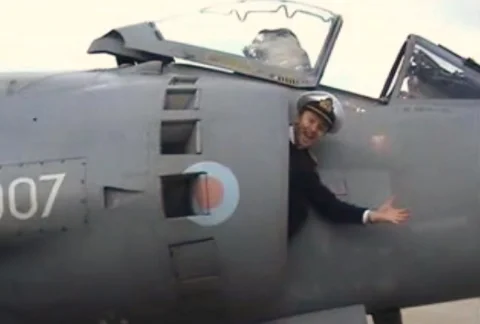
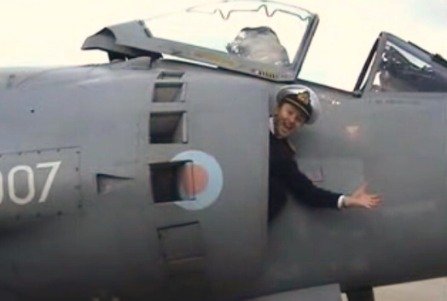
About the Author – Dr Stephen Harrison-Thomas DSC
From the cockpit of a fighter jet to the flight decks of commercial airliners – a lifetime spent in aviation.
When Stephen Harrison-Thomas writes about flying, he writes from experience. His aviation career has taken him from the unforgiving decks of Royal Navy aircraft carriers to aerial combat in the Falklands War, experimental flight testing, international airline operations, counter-narcotics aviation in South America and aviation advisory work in Africa.
Few aviation authors have experienced such a wide variety of flying, and it is this extraordinary career that provides the inspiration and authenticity behind his books.
A Fighter Pilot at War
Stephen began his flying career in the Royal Navy's Fleet Air Arm, becoming a Sea Harrier fighter pilot with 801 Naval Air Squadron aboard HMS Invincible.
In 1982, at just 20 years old, he was the youngest front-line fighter pilot to serve in the Falklands War. During the conflict, he flew 51 combat missions, including 10 at night, and was credited with shooting down three Argentine fighter aircraft in air-to-air combat: a Mirage III and two Daggers.
For his service, he was awarded the Distinguished Service Cross (DSC).
His experiences of combat flying, aircraft carrier operations, aerial engagements and the realities of war form the foundation of Falklands Skies, one of the central books in his autobiographical Dangerous Skies series.
Test Flying and the Civilian Aviation World
Following his operational fighter-pilot career, Stephen became a test pilot, expanding his experience into the demanding world of experimental flying, aircraft evaluation and flight testing.
He subsequently transitioned into commercial aviation, flying aircraft including the BAe 146, Boeing 737 and Boeing 767, before progressing into long-haul airline operations with KLM.
This second aviation career brought an entirely different set of challenges: complex airline operations, international flying, crew coordination, aviation safety and the commercial realities of the airline industry.
His experiences in these contrasting worlds are explored in Testing Skies and Civilian Skies.
Flying Beyond the Conventional
Stephen's flying career was far from limited to military and airline operations.
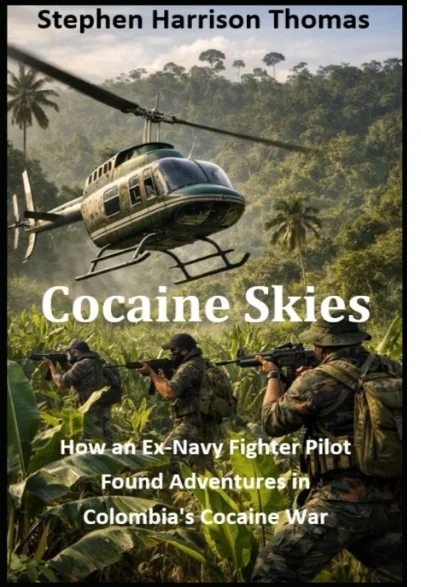
In Colombia, he became involved in counter-narcotics aviation, operating in an environment where flying intersected with organised crime, politics, security and the complexities of South American life. These extraordinary experiences inspired Cocaine Skies.
His subsequent aviation and advisory work in Africa, including involvement with the Ugandan government, exposed him to another fascinating and sometimes unpredictable side of international aviation. These experiences are recounted in African Skies.
Throughout his career, Stephen has also undertaken advisory work involving aviation, government and industry, drawing on his experience as both a pilot and an aviation professional.
The Dangerous Skies Series
Stephen's six-book autobiographical Dangerous Skies series follows his journey through some of the most demanding and unusual environments in aviation:
- Beckoning Skies – The beginnings of a lifelong passion for aviation and the journey towards becoming a military pilot.
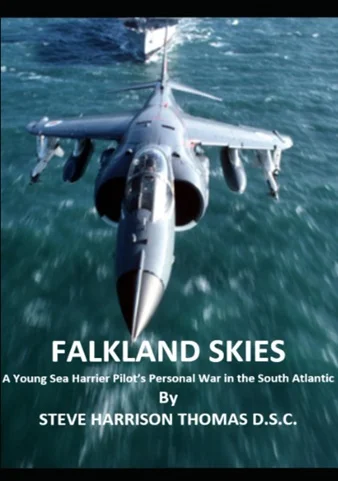
- Falklands Skies – A first-hand account of aerial combat, carrier operations and survival during the 1982 Falklands War.
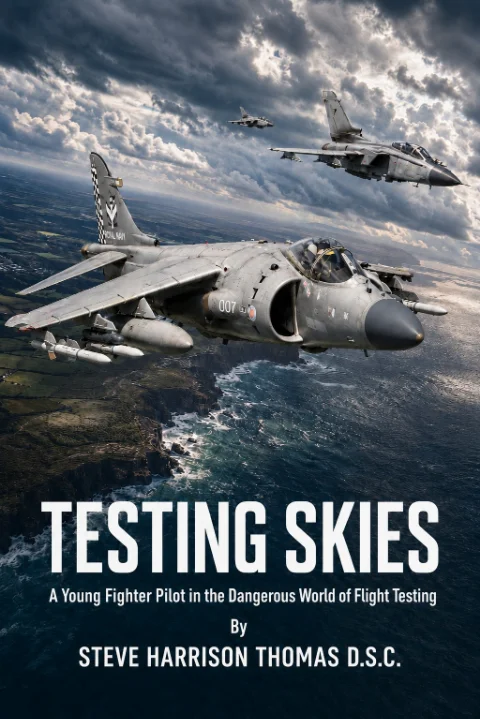
- Testing Skies – The demanding and occasionally hazardous world of experimental flight testing.
- Civilian Skies – The transition from military fighter aircraft to the international world of commercial airline flying.
- Cocaine Skies – Aviation, danger and counter-narcotics operations in Colombia.
- African Skies – Aviation and adventure amid the political, operational and commercial challenges of Africa.
Together, the books offer an unusually broad, first-hand perspective on a life spent in the air.
These are not aviation adventures imagined by a novelist. They are stories grounded in events the author actually experienced.
While the series offers technical authenticity for aviation enthusiasts, the books are written for a wider audience, combining adventure, humour, danger, human relationships and the often extraordinary situations that arise when a career takes unexpected turns.
Aviation Careers, Leadership and Management
Alongside his autobiographical writing, Stephen is also the author of books dealing with pilot careers, professional aviation and aviation management.
His expertise extends beyond the cockpit. With a PhD in Management and decades of experience spanning military aviation, international airlines, government advisory work and business leadership, he brings both practical and academic perspectives to these subjects.
He is also the founder of the Swiss School of Business Research (SSBR), where he serves as Chairman and is involved in postgraduate education, research and management development.
His aviation-related nonfiction draws on this combination of operational flying experience and management expertise, offering insights into the aviation profession, career development, leadership, decision-making and the business of aviation.
Aviation Isn't Just His Subject – It's His Life
From intercepting enemy aircraft over the South Atlantic to flying commercial airliners across continents, Stephen has experienced aviation from perspectives that few pilots encounter within a single career.
He has known the exhilaration of flying high-performance fighters, the tension of combat, the precision demanded of test pilots, the responsibilities of carrying hundreds of airline passengers and the unexpected hazards of aviation in some of the world's more challenging environments.
His writing reflects that experience, but it also captures the people, places, humour, mistakes, triumphs and occasional absurdities encountered along the way.
For readers seeking aviation stories with genuine authenticity, Stephen Harrison-Thomas offers something increasingly rare: the perspective of someone who was actually there.
Dr Stephen Harrison-Thomas DSC is a former Royal Navy Sea Harrier fighter pilot, decorated Falklands War veteran, test pilot, international airline captain, aviation adviser, academic and author.