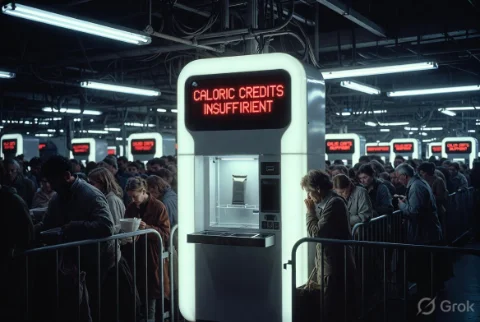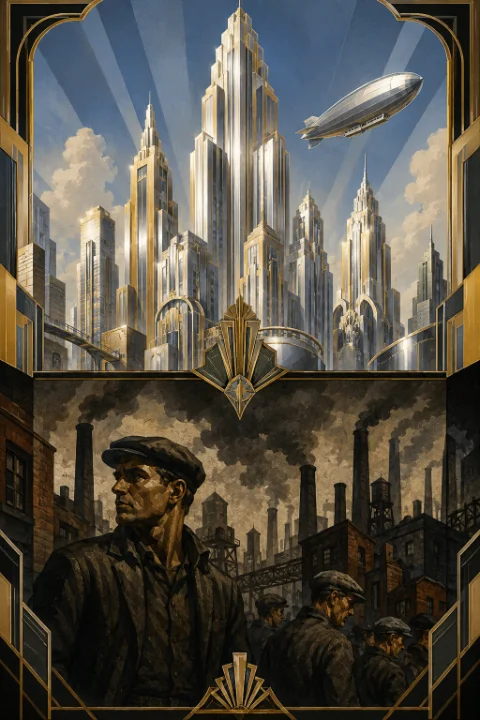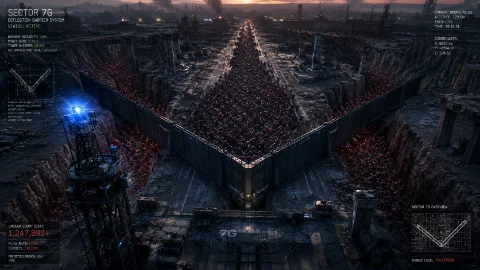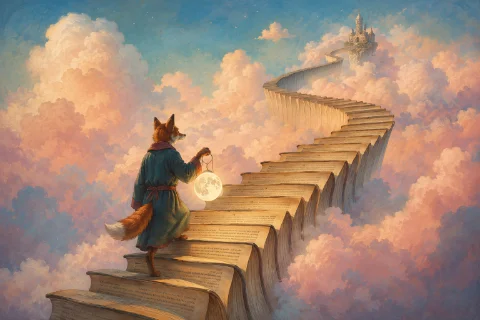
Most fantasy, however magical, still plays fair. It has rules, systems and maps inside the front cover. Surrealist fantasy tears the map up. Drawing on the surrealist art movement and the logic of dreams, these books let images and emotions drive the story rather than plot mechanics. A staircase can descend into last Tuesday. A character's shadow can leave to start a new life. Nothing is explained, and somehow everything makes emotional sense.
What Makes Surrealist Fantasy Different
The key word is logic, or rather the replacement of one kind with another. Where traditional fantasy asks how does the magic work, surrealist fantasy asks what does this feel like. Events follow the associative flow of dreams: symbolic, slippery and strangely inevitable. Writers like Haruki Murakami, with his wells, cats and parallel Tokyos, and Angela Carter, with her lush fairy tale distortions, are touchstones. So is the quiet strangeness of authors like Kelly Link, whose short stories bend the ordinary world until it becomes unrecognisable.
Unlike the New Weird, which builds elaborate strange worlds, surrealist fantasy usually starts in a recognisable reality and lets it melt. The family home, the office, the small town: all of it slowly comes loose from its moorings. The strangeness is intimate rather than epic.
Why Readers Love It
Surrealist fantasy speaks the language your mind uses when you sleep, which is why these books often feel more emotionally true than realistic fiction. Grief, love, anxiety and longing are not described but embodied, turned into weather, architecture and impossible creatures. Readers often finish these books unable to summarise the plot yet certain they understood every word.
There is also the sheer pleasure of the images. A good surrealist fantasy leaves you with pictures that lodge in your memory for years, the way certain dreams do.
Where to Start
Begin with Murakami or Carter if you want established classics, then wander into indie territory, where some of the boldest surrealist fantasy is being written today. Small press and self-published authors have the freedom to follow an image wherever it leads, and it shows. Look for books reviewers describe as dreamlike, hypnotic or hauntingly strange.
Want fiction that feels like lucid dreaming? Discover indie authors writing beautifully strange books at indiereadingcommunity.com, where curious readers find stories worth losing sleep over.