If purple prose is a loud, overdecorated room, beige prose is a sterile white box. This writing style strips away every single ounce of descriptive flair, leaving behind only the barest narrative bones.
There are no metaphors, few adjectives, and zero poetic rhythms. While it avoids the trap of sounding pretentious, it runs into a different problem: it bores the reader completely.
The Plain Reality of Flat Writing
Beige prose reads less like a story and more like a police report or an instruction manual. It focuses entirely on utility, telling you exactly what is happening without helping you feel or visualize the moment.
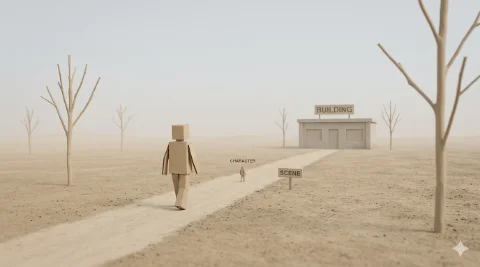
Settings feel empty: Rooms, cities, and landscapes have no color, texture, or history.
Characters lack presence: People move through the plot like faceless stick figures.
Emotional impact is flat: Major life events carry the same clinical tone as making toast.
An Extreme Example of Beige Prose
To see how this looks in practice, let us look at the exact same scene from our previous articles written in a completely stripped-down, beige format:
The sun went down. The sky turned dark. Evangeline stood on the street. It was empty. She started to cry because her boyfriend did not show up. She walked home.
Why It Fails the Story
This passage is grammatically correct and very easy to read. However, it fails as a piece of creative writing. It provides the plot points but completely skips the experience.
You know Evangeline is sad because the text says she is crying, but you do not feel her grief. The setting has no atmosphere. Good writing requires a balance: enough detail to make the world feel real, but not so much that the words get in their own way.