The horror genre is uniquely powerful because it taps directly into primal human emotions. Fear manifests differently for everyone, which has caused horror to fracture into incredibly diverse, highly specialized sub-genres. A story that relies on visceral physical violence feels entirely different from a slow-burn narrative that questions reality itself.
If you want to write a book that terrifies and captivates readers, you need to find the niche that matches your creative strengths. Here are the top five horror sub-genres making waves in the publishing world today.
1. Psychological Horror
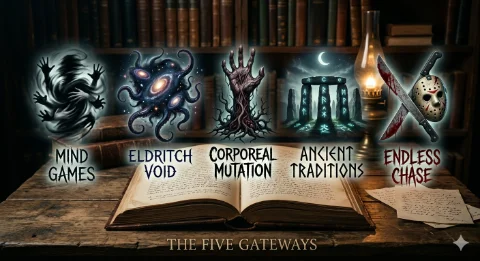
Psychological horror bypasses physical monsters and focuses entirely on the vulnerabilities of the human mind. The terror in these stories stems from guilt, paranoia, obsession, and unstable emotional states. Readers spend the book wondering whether the threat is real or a product of the protagonist's fracturing psyche. This niche relies heavily on unreliable narrators, claustrophobic atmospheres, and deeply uncomfortable mind games.
2. Cosmic Horror
Popularized by classic weird fiction authors and thoroughly reinvented by modern diverse voices, cosmic horror explores the terror of the unknown. The core theme centers on humanity's absolute insignificance in the face of ancient, massive, and incomprehensible forces. The monsters are rarely things you can fight with weapons; instead, merely looking at or understanding them causes madness. This sub-genre is perfect for writers who love deep philosophy and vast, existential dread.
3. Body Horror
If you want to evoke an immediate, visceral reaction from your audience, body horror is the ultimate tool. This niche focuses on the unnatural transformation, violation, or destruction of the human physical form. The fear is deeply personal because it involves losing control over your own skin. Common themes include viral mutations, medical experiments gone wrong, or parasitic takeovers. It requires graphic, highly descriptive prose to achieve its full impact.
4. Folk Horror
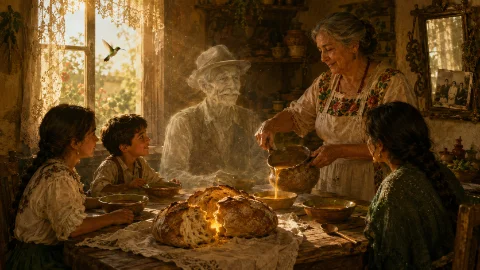
Folk horror uses isolation, pagan traditions, dark folklore, and rural landscapes to create an ominous atmosphere. The conflict frequently involves an urban outsider stumbling into a close-knit rural community that harbors a dark, ancient secret. The terror does not come from darkness, but from things happening in broad daylight under the guise of community spiritualism. This sub-genre relies on a slow-burn pace and a heavy sense of inevitable doom.
5. Survival Horror and Slashers
This sub-genre keeps the plot incredibly simple and highly active: characters are trapped in a deadly environment and must stay alive. Whether they are fleeing a masked serial killer in a summer camp or trying to escape an island overrun by monsters, the focus is on immediate action. Pacing is critical here, requiring a relentless cycle of close calls, high body counts, and clever escape attempts to keep readers on edge.