In magical realism, the village is never just a setting. It is a slow, breathing character with its own memory, its own grudges, and its own opinions about the people who live inside it.
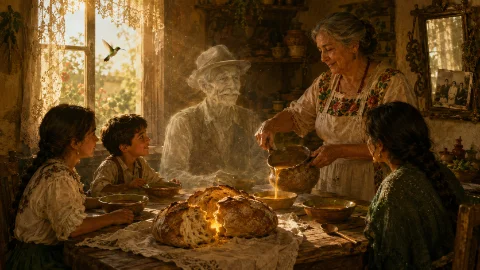
The reader learns this the way locals do. A grandmother sets out an extra plate at supper and no one asks who it is for. A loaf of bread comes out of the oven with a bright seam of gold running through the crust, and the baker sighs the way a person sighs at good news that will complicate her afternoon. A river changes its course overnight, and the only person surprised is the visiting cousin from the city.
This is the register that writers from García Márquez to Isabel Allende to Silvia Moreno-Garcia have made unforgettable, and it is the register I want to teach you to write in. Not by borrowing their voices, but by understanding the underlying rules of the world they built. Because ordinary wonder does have rules. Break them, and the magic reads as whimsy. Follow them, and the magic reads as truth.
Rule One: The Village Remembers Everything
The first rule of magical realism is that the setting has a memory longer than any human in it. Wells hold the voices of people who drowned in them a century ago. Doorways know which families crossed them at weddings and which crossed them at funerals. The village square carries the shape of a market that has not been held there since before the war.
This memory is not treated as haunting in the gothic sense. It is treated as furniture. When a writer describes a chair a great-grandmother once sat in, and mentions in the same breath that the chair still creaks when she disapproves of the conversation, the reader is not supposed to gasp. The reader is supposed to nod.
The craft lesson is that memory belongs to objects and places, not only to people. When you build your village, ask what each location remembers. The bakery remembers a broken engagement. The church steps remember a confession that was never absolved. The old fig tree remembers being planted, and it remembers who did it, and it still leans toward that person's grandchild when they walk by.
Rule Two: The Dead Are Not Gone, Only Quieter
Ghosts in magical realism do not rattle chains or slam doors. They pull up a chair.
A widowed uncle sits at the head of the table on feast days because that is where he always sat. Only a stranger would point out that he died six winters ago. Children speak to a grandmother in the corner of the kitchen who nods and never answers, and the parents pass the salt around her as a matter of routine.
The dead in this tradition are participants in the daily life of the household, not intruders in it. They are treated with the same low-grade impatience and love as living relatives. When they are rude, someone rolls their eyes. When they are helpful, someone whispers thanks into the flour bin. Their presence is a matter of manners, not metaphysics.
If you want to write ghosts this way, resist every instinct trained by horror. Do not describe them as cold or transparent. Describe them as present. Give them habits, seats, and small preferences. Let a character bring their favorite drink to a graveside not as ritual but as errand.
The reader will feel the ache underneath. That is the whole point.
Rule Three: Blessings and Curses Travel Through Ordinary Objects
The bread rises with a golden seam because the baker's mother forgave her that morning. The soup will not thicken because someone lied about it. A shawl passed from grandmother to granddaughter carries with it the strength of every winter the older women survived.
In magical realism, the supernatural moves through the objects people already handle. Not through wands, not through spellbooks, but through cookware, textiles, letters, and the ordinary shared meals of an ordinary week.
This is the deepest reason the genre feels warm even at its most tragic. The magic is domestic. It lives where the family lives. When you write it, choose the smallest, most touched objects in the household. A wooden spoon used for forty years. A wedding ring resized twice. A photograph tucked into the frame of a mirror. These are the vessels that carry blessing and grudge alike.
And when the magic activates, do not announce it. The bread simply comes out with the seam. The character who sees it knows. The character who does not see it will need to be told, gently, by someone patient.
Rule Four: Time Is a River, Not a Line
City fiction runs on clocks. Magical realism runs on seasons, on generations, on the anniversaries of griefs that have not finished happening yet.
A character may remember their wedding day and their granddaughter's birth in the same sentence, and the reader is not meant to untangle the sequence. A rainstorm arrives that everyone recognizes as the same rainstorm that fell the night the grandfather left for the capital, even though decades separate the two events. Time in the village folds. It repeats. It occasionally goes backward for an afternoon and then rights itself before supper.
For a writer, this permission is one of the great gifts of the genre. You do not have to obey chronology. You have to obey emotional gravity. Two events that share the same weight may happen in the same paragraph regardless of what the calendar says, and the reader will follow you if the voice is confident.
The trick is not to explain it. The moment you explain folding time, the fold flattens.
Rule Five: The Outsider Is a Mirror, Not a Guide
Many drafts of magical realism fail because a new writer introduces a visitor from the city to explain the village to the reader. This is a mistake. The city cousin, the anthropologist, the journalist, the returning prodigal, all of these figures work best when they are used as mirrors that reveal the village's strangeness, not as translators who dilute it.
The village should never apologize to the outsider. The village should never lower itself to accommodate the outsider's disbelief. When the visitor asks why there are two grandmothers when only one is alive, the answer should be a look, not a paragraph. When the visitor eventually stops asking, that is the moment the story truly begins.
Give the visitor a small change over the course of the book. They arrive skeptical. They leave with a small piece of ordinary wonder they cannot explain and no longer need to. That arc alone will carry a novella.
Rule Six: Grief and Wonder Share the Same Weather
The final rule is the emotional one. In magical realism, grief and wonder are not opposites. They are the same feeling arriving through different doors.
A woman who has lost her husband may notice that the hummingbirds come to her garden in larger numbers than before. A father whose son has moved to the capital may discover that his son's boyhood coat, hung by the door, keeps itself brushed. These moments do not resolve grief. They accompany it. They tell the reader that the world has noticed, and that the noticing counts as a form of love.
If you write these moments cleanly, without underlining, the reader will cry in a way they did not expect. That is the register the genre was built for.
A Small Exercise for Your Own Village
Before you draft a scene, try this warm-up. It takes about twenty minutes and it will teach your instincts more than any structural outline.
Write one paragraph describing a Sunday breakfast in your village. Include the following without commentary: a living family member, a dead one, an object with a blessing in it, a piece of weather that carries a memory, and one small thing the village itself is doing without asking permission. A tree leaning. A bell ringing on its own. A shadow that stays a moment longer than it should.
Do not explain any of it. Let the paragraph sit for a day. When you return, you will already know the voice of the book.
The living village is not a fantasy setting dressed in peasant clothes. It is a way of seeing the world in which memory, grief, love, and small daily miracles are the same substance, moving through bread and rivers and grandmother's chairs.
Write the ghost at the table. Write the seam in the crust. Trust the reader to nod instead of gasp. The rules of ordinary wonder are strict, but they are also generous. Follow them, and your village will begin to breathe.