You've put together a decent talk, the library has a room booked, and a respectable handful of people show up on the night. They listen, they ask a few questions, a couple of them buy a copy on their way out. Then they go home, and for most of them, that's the last contact you'll ever have with them.
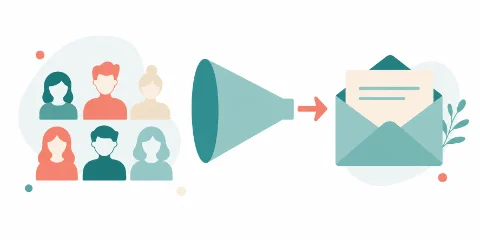
A library talk is one of the easiest opportunities indie authors waste, not because the talk itself goes badly, but because nothing in the room is designed to keep the relationship going after everyone leaves. A full room for an hour is nice. A mailing list that grows because of that hour is worth far more, and it usually takes very little extra effort to get there.
Why the Room Is the Wrong Finish Line
Most authors treat the talk itself as the goal. Get people in the room, give a good talk, sell a few books, call it a success. That's a reasonable way to measure the night, but it quietly assumes that the value of the event ends when people walk out the door.
In reality, the people sitting in that room are some of the most engaged readers you'll ever have in one place. They chose to spend an evening hearing you speak, which is a far higher level of interest than someone scrolling past a social post. Letting that level of interest evaporate the moment the talk ends is the real waste, far more than an empty chair or two ever was.
Why People Don't Sign Up on Their Own
Nobody walks into a library talk thinking about your mailing list, and very few will go looking for a way to join one unless you give them an obvious, low-effort reason to. Interest fades fast once people are back in their cars or on the bus home, distracted by everything else in their evening. If signing up requires remembering your name later and searching for your website, almost nobody will bother, even if they genuinely enjoyed the talk.
The opportunity has to be handed to them while the interest is still fresh, in the room, before they've had the chance to forget.
Building the Sign-Up Into the Talk Itself
The most effective approach treats the mailing list as part of the talk's structure, not an afterthought tacked onto the end.
Mention it early, briefly. Somewhere near the start, mention in passing that you send out occasional updates about new books or behind-the-scenes details, and that there's a way to join if anyone's interested. This isn't a pitch, just a single sentence that plants the idea before people have had a chance to mentally check out for the evening.
Offer something only the list gets. A generic "join my mailing list" rarely moves anyone. A specific reason does. This might be an extra chapter, a short story connected to the book you're discussing, or early access to your next cover reveal. People sign up for things, not for the privilege of receiving more email.
Make the sign-up physical, not digital, in the room. Asking people to pull out their phones and find your website while they're half listening to you talk is asking too much. A simple sign-up sheet on a table near the entrance, or a small card people can fill in and hand back, removes almost all the friction. Type the names into your list afterwards yourself.
Repeat the offer at the end, with more detail. By the close of the talk, people have had time to warm up to you. This is the moment to spell out exactly what they get and exactly where to sign, whether that's the sheet by the door or a QR code on a small card they can take home.
What to Do With a Library's Own Mailing List
Many libraries run their own newsletter or events list, separate from anything you can build yourself. Ask in advance whether the library would be willing to mention your evening in their own communications before and after the event. This won't grow your list directly, but it often brings more people through the door in the first place, which means more chances for your own sign-up to work once they're there.
Following Up Without Losing the Moment
The value of the night doesn't end when the last form gets filled in. Within a day or two, while the talk is still fresh in people's minds, send a short welcome email to everyone who signed up. Thank them for coming, deliver whatever you promised at the sign-up table, and keep the tone the same as the one you used in the room. This is the message that decides whether people stay subscribed or quietly unsubscribe a week later, so it's worth getting right rather than rushing out.
Why This Matters More for Smaller Talks
It's tempting to assume this only matters for a packed room, but the opposite is often true. A talk with fifteen people in attendance, all of whom join your list, can be more valuable long term than a talk with eighty people where nobody signs up for anything. The size of the room matters far less than what happens to the people in it once they leave.
The Part Worth Remembering
A library talk gives you something most marketing never does, a room full of people who are already paying attention to you in person. The talk itself is worth an evening. What you do to capture that attention before it walks out the door is worth a great deal longer.