You finally got a yes from a bookstore, and then you saw the slot. A Tuesday afternoon. Or a Wednesday at lunchtime, when most of the people who might come are at work. It's not the prime Saturday spot you imagined, and your first instinct is to assume the event is already doomed before it's even happened.
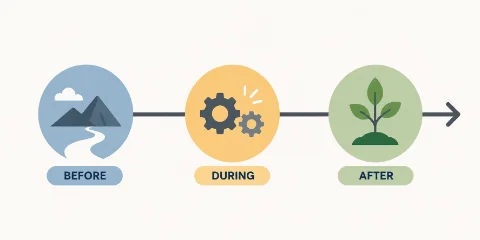
It isn't. A quiet slot doesn't determine how an event goes nearly as much as most authors assume. What determines it is what you do with the weeks leading up to it, because nobody walks into a bookstore on a random Tuesday expecting a crowd unless something told them to expect one first.
Why the Slot Matters Less Than You Think
It's tempting to believe that a good time slot does the work of bringing people in, and a bad one guarantees an empty room. In practice, foot traffic alone rarely fills a signing, even on a Saturday. Most of the people who show up to any author event, regardless of the day, are there because they already knew about it in advance, not because they happened to be walking past at the right moment.
This means a quiet Tuesday slot and a busy Saturday slot start from roughly the same place if nobody outside the store knows the event is happening. The difference between a dead slot and a sold-out one comes almost entirely from what happens before the day arrives, not from the day itself.
Treat the Slot as a Reason, Not an Obstacle
A weekday or off-peak slot actually gives you something a prime slot doesn't, a specific, slightly unusual detail you can build a pitch around. "Saturday signing" sounds like every other event a reader has seen. "Tuesday lunchtime signing, with proper coffee and a short reading" sounds like an actual occasion, something with a personality of its own rather than a generic time slot to half-remember and forget.
Lean into the oddness of the slot rather than apologising for it. A daytime midweek event can be framed as relaxed, low-pressure, and easy to pop into on a break, which appeals to a different group of readers than a busy weekend crowd would.
Building Demand Before the Day Arrives
Start earlier than feels necessary. A quiet slot needs more lead time than a popular one, simply because you're relying entirely on people choosing to show up rather than discovering the event by accident. Three to four weeks of buildup gives you enough room to mention it more than once without feeling repetitive.
Give people a reason beyond the signing itself. A short reading, a five-minute Q&A, or even a small giveaway tied to the event gives people something concrete to look forward to, rather than just an opportunity to buy a book they could buy any other day.
Ask the bookstore to help spread the word, specifically. Don't assume the store will promote the event simply because it's on their calendar. Ask directly whether they're willing to post about it, mention it to regulars, or display a sign in the window in the days leading up to it. Many will, if asked clearly, but very few will think to do it unprompted.
Personally invite people who are likely to actually come. A general social media post reaches a wide, mostly passive audience. A handful of personal messages to local readers, book club contacts, or people who've supported your previous events tends to convert far better, since a direct invitation feels different from a public announcement scrolled past.
Use the slot's specificity in your reminders. As the date approaches, remind people using the exact detail that makes the slot worth showing up for. Not just "see you Tuesday" but "see you Tuesday at half twelve, I'll be reading the opening chapter before signing." Specific details are easier to act on than vague ones.
What "Sold Out" Actually Looks Like for a Small Slot
A sold-out signing doesn't need to mean a queue out the door. For a quiet weekday slot, a sold-out result might simply mean every chair filled and every book the store stocked for the event gone by the end of the afternoon. Setting a realistic, specific target with the store ahead of time, rather than vaguely hoping for a big crowd, gives you something concrete to aim for and an honest measure of whether the buildup worked.
On the Day Itself
Once people start arriving, the quiet nature of the slot can actually work in your favour. A smaller, more intimate gathering allows for real conversation rather than a rushed line of people waiting their turn, and that kind of personal exchange often turns a casual attendee into someone who follows your future work closely. Treat the smaller numbers as an opportunity for depth rather than a disappointment compared to a bigger crowd.
The Part Worth Remembering
A dead slot only stays dead if nobody outside the bookstore knows it's happening. The day on the calendar doesn't fill the room. The weeks of deliberate, specific buildup beforehand do, and that work matters just as much, if not more, for a quiet Tuesday afternoon as it does for a busy Saturday.