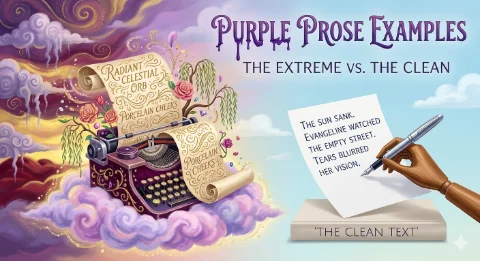
Mainstream fiction loves a brightly lit room. It wants a hero wrapped in undisputed righteousness and a villain painted in flat, uncomplicated darkness. But stories with real depth and lasting resonance rarely fit this mainstream mold. The most compelling narratives live in the strange, shifting fog between right and wrong.
Drafting moral ambiguity is not simply about making your protagonist a little grumpy or giving your antagonist a sad backstory. It is about creating a surreal landscape where every choice bleeds into the next and the moral compass spins wildly before finally shattering. To write the grey areas effectively, you must become an architect of beautiful discomfort.
The Compass of Contradiction
To build a truly ambiguous character, you must plant a profound contradiction at their very core. A one-dimensional character wants a single thing for a single, logical reason. An ambiguous character wants two mutually exclusive things with equal, terrifying desperation.
Imagine a gardener who tenderly cultivates fragile, bioluminescent orchids, speaking to them with profound love, yet routinely poisons the village well to ensure no one else can water their own gardens. The reader is trapped between horror and fascination.
When you draft these contradictions, do not apologize for them in the text. Let the character exist in a state of unresolved tension. They should perform acts of startling grace and moments later execute decisions of profound cruelty. The grey area is not a blend of black and white; it is a checkerboard vibrating at a frequency that makes the eyes water.
The Empathy Paradox: Rooting for the Monster
Writing the grey areas requires you to manipulate the reader's empathy like a delicate instrument. You must force the audience to understand, and perhaps even agree with, the mechanics of a terrible decision.
Consider the classic ethical dilemma of the runaway train, but steep it in whimsical surrealism. Your character must choose between saving a train full of innocent passengers or saving a single, glowing moth that happens to hold the last whispered memory of their deceased grandmother. If the character chooses the moth, society will label them a monster. But if you have properly drafted the agonizing weight of that memory, the reader will feel the agonizing pull of that choice.
You weave moral ambiguity by ensuring the "wrong" choice is fueled by a fiercely relatable human emotion. Greed is boring. Desperation, misguided love, and the terrifying fear of being forgotten are the engines that drive truly complex, morally ambiguous actions.
The Architecture of Unintended Consequences
In a morally absolute story, good deeds are rewarded with sunshine and bad deeds are punished with lightning strikes. In the grey areas, cause and effect operate under the bizarre logic of a dream.
Your character might make a perfectly noble, selfless sacrifice that inadvertently unleashes a plague of glass butterflies that shatter the city's windows. Conversely, a selfish, cowardly act might accidentally provide the exact distraction needed to overthrow a tyrant.
When the consequences of an action refuse to align with the morality of the intent, the entire narrative becomes a study in ambiguity. It forces the reader to stop asking whether a character is good or bad and instead ask how a person survives in a world that refuses to play by the rules.
By embracing these surreal contradictions and abandoning the need for clean resolutions, you craft narratives that linger. You stop writing mere books and begin building immersive, intricate worlds that haunt the reader long after they escape the fog.