A few years ago, I left a careless comment on a bookstagram post. The photo was gorgeous—a self-published fantasy with sprayed edges and a cover that looked like a museum piece, and I typed, without thinking: “It must be so freeing to publish with zero overhead!”
The author replied gently, with numbers. Real numbers. Editing: over a thousand pounds. Cover art: several hundred more. Formatting, proofreading, software, ARC distribution, a small marketing push. The total sat somewhere north of three grand, and that was for a single book that might never earn it back. I deleted my comment, sent a mortified apology, and started asking questions.
If you’ve ever wondered about the self-publishing costs for authors, or you’ve been curious about how indie books are made, this is your honest, behind-the-scenes reader’s guide to indie publishing. Not to guilt you, never that, but to let you in on the beautiful, expensive, often heartbreaking reality that makes every indie book a quiet act of faith.
The Myth of the Free Book
The most common assumption I hear from fellow readers is that self-publishing costs nothing. The logic seems sound: there’s no big publisher, no office rent, no print advance to earn out. Just an author and a laptop.
The truth is, professional indie authors don’t produce books for free. They pay for services that traditional publishers provide in-house: developmental editing, copyediting, proofreading, cover design, interior layout, and more. Some authors can do a few of these things themselves, but most cannot do all of them well. And readers notice when corners are cut. The indie books that feel seamless and immersive? They almost always carry a financial investment behind the scenes.
When you understand what goes into how indie books are made, you start reading with a deeper layer of appreciation. That spine-tingling cover, the absence of distracting typos, the pacing that makes you miss your bus stop none of that happened by accident. It was paid for, often by an author working a day job to fund their dream.
Breaking Down the True Cost of Self-Publishing
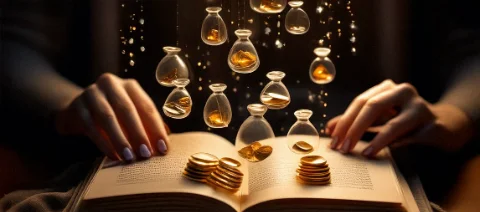
Every indie book is different, but a professionally produced self-published novel often involves several thousand pounds of upfront investment. Here’s a realistic snapshot of what authors might pay for a single book, based on conversations I’ve had and rates across the industry.
Developmental Editing – £800 to £2,500+
This is the big-picture edit that deals with plot holes, character arcs, and pacing. A skilled developmental editor can transform a messy draft into a gripping story. It’s often the most expensive line item, and the most crucial.
Copyediting and Line Editing – £500 to £1,200
Once the structure is sound, a copyeditor polishes the prose, fixes inconsistencies, and tightens sentences. It’s the difference between writing that flows and writing that jolts.
Proofreading – £200 to £600
The final pass, hunting down stray punctuation, spelling slip-ups, and formatting errors. Even the most meticulous author needs a fresh pair of eyes.
Cover Design – £150 to £800+
A cover isn’t just decoration; it’s a silent pitch to potential readers. Custom illustration or high-end typography can push this figure much higher. Many authors consider the cover to be their primary marketing tool and invest accordingly.
Interior Formatting – £50 to £300
If you’ve ever opened an ebook that looked wonky or a paperback with margins that felt off, you’ve seen the result of skipped formatting. Professionals make the reading experience invisible, no weird line breaks, no disappearing chapter headers.
Software, Tools, and ISBNs – £0 to £200+
While some tools are free, many authors invest in writing software like Scrivener, formatting tools like Vellum (Mac) or Atticus, stock photos for teasers, and ISBN numbers if they want full distribution control.
Marketing and ARCs – £50 to thousands
Sending advance review copies, running small ads, paying for a BookBub feature, or even a bookstagram tour all cost money. Indie authors often have to build their own launch from scratch.
A modest but respectable self-publishing budget often falls between £2,000 and £5,000. Some books cost less; some cost a lot more. And this is before the author has earned a single penny in royalties.
Why This Matters to You, the Reader
You might be thinking, “Okay, but I’m not an author. Why should I care about their spreadsheet?” I get it. But understanding the self-publishing costs for authors changes the way you engage with the books you love and the authors behind them.
It explains why that Kindle Unlimited read is genuinely a gift. The author put real money into that story, hoping enough pages would be read to cover their editing bill. It explains why a price tag of £3.99 for an ebook isn’t “greedy” but often still not enough to break even on a high-quality production.
When you leave a review, you’re not just sharing an opinion; you’re helping an author recoup their investment. Reviews feed algorithms, build visibility, and provide social proof that a book is worth a stranger’s money. When you request an indie book at your local library, you’re opening a door the author couldn’t unlock alone. And when you buy directly from an author’s website or recommend their book to a friend, you’re directly supporting a small business. Because that’s what an indie author is: a one-person small business, balancing art and spreadsheets.
This reader’s guide to indie publishing isn’t about making you feel obligated. It’s about turning a transaction into a connection. When I pick up a self-published book now, I see the invisible team behind it the editor who wrestled the timeline into shape, the designer who captured the mood in a single image, the proofreader who caught the comma that would have pulled me out of the story. I see an author who believed in their work so fiercely they put their own money behind it.
How You Can Honour the Cost Without Spending a Dime
Some of the most powerful ways to support the true cost of self-publishing cost you nothing but a few minutes.
Leave a review on Amazon, Goodreads, or StoryGraph. Even a short, honest sentence can boost a book’s visibility.
Talk about the book online. A post in a story, a TikTok comment, or a recommendation in a reading group can move copies far more effectively than any ad.
Request the book at your library. Many library systems allow patron requests, and a single purchase order can introduce a title to a whole community.
Read on Kindle Unlimited if you have it. Authors are paid per page read, and a binge session directly supports their bottom line.
Engage with the author’s content. Liking, sharing, and saving their posts on social media tells algorithms that this book matters.
These actions acknowledge the quiet investment behind every indie novel. They’re a way of saying, “I see what it took to bring this story to life, and I’m glad you did.”
A Community That Truly Values the Craft
Here at the Indie Reading Community, we don’t just talk about books. We talk about the people who make them, the invisible labour that shapes a manuscript into a masterpiece, and the joy of connecting deeply with stories that were built on courage and savings accounts. We celebrate the fact that how indie books are made is a story in itself one of resilience, passion, and an unwavering belief in the power of words.
When someone in our group shares a review, they’re not just saying “I liked it.” They’re often adding, “And the editing on this was phenomenal” or “You can tell the author invested heavily in this cover.” That kind of literacy around the publishing process makes us better readers and a warmer community.
If you want to be part of a space that values the craft behind the cover, we’d love to welcome you.
The Price Tag You Can’t See
The next time you pick up a self-published book that moves you, that makes you laugh, cry, or stay up far too late, pause for a moment. Curious: Has learning about the behind-the-scenes costs of indie publishing changed the way you see your bookshelf? Drop your thoughts in the comments. And if you’ve ever had a conversation like mine where a dollar figure completely reframed your respect for indie authors, I’d love to hear that story too.