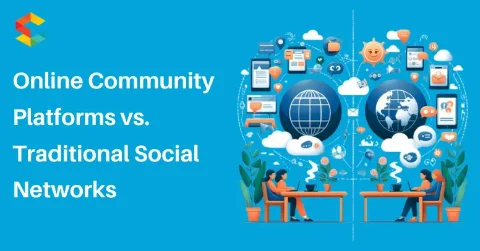
The internet has entered a new phase where communities are becoming more powerful than traditional media organizations. Instead of relying solely on centralized platforms and corporate publishers, people are increasingly turning toward community-driven ecosystems for information, entertainment, education, and collaboration.
Traditional media has historically operated through one-way communication. Large organizations created content while audiences consumed it passively. Community-driven platforms have completely changed this dynamic by allowing users to actively participate in discussions, contribute ideas, and support creators directly.
One of the biggest reasons behind this shift is trust. Modern audiences often prefer authentic voices and niche communities over large media corporations. Readers and viewers are more likely to engage with creators who communicate transparently and interact personally with their followers.
Digital communities also encourage collaboration. Writers, developers, designers, educators, and independent creators can work together to build shared platforms and content ecosystems. This collaborative environment promotes innovation and allows smaller creators to compete with larger organizations.
Another major advantage of community-driven platforms is decentralization. Creators no longer need permission from traditional gatekeepers to publish their work. Blogs, newsletters, podcasts, reading communities, and membership platforms provide direct access to audiences without depending entirely on advertising-based media systems.
Monetization opportunities have also expanded significantly. Community-supported business models such as memberships, subscriptions, donations, premium content, and crowdfunding are enabling creators to build sustainable income streams while maintaining creative independence.
Technology has accelerated the growth of these platforms. Artificial intelligence, recommendation systems, social algorithms, and personalized feeds help users discover relevant communities more efficiently. Mobile accessibility and global internet connectivity further contribute to rapid community expansion.
However, community-driven ecosystems also face challenges. Content moderation, misinformation, privacy concerns, and platform sustainability remain important issues that require careful management. Successful communities must balance openness with responsible governance and healthy user interaction.
The future of digital media is likely to become increasingly community-centered. Audiences want participation rather than passive consumption, and creators want independence rather than strict platform control. Platforms that prioritize engagement, transparency, and collaboration will continue to grow in influence.
As digital culture evolves, community-driven ecosystems are proving that meaningful human connection and shared participation are becoming more valuable than traditional broadcasting models.