Introduction: When the World Becomes a Mirror
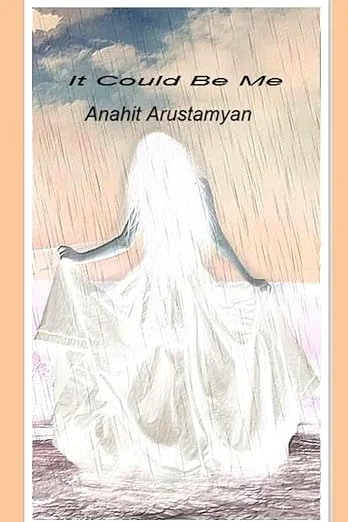
Have you ever read a scene where the rain starts falling exactly as a character receives bad news? Or where a sudden ray of sunlight breaks through clouds during a moment of hope? This is not mere coincidence. This is the objective correlative at work. It is the art of projecting internal emotion onto external surroundings, turning the physical world into a living, breathing reflection of the heart.
Too often, writers tell us exactly what their characters feel. "He was angry." "She felt lonely." These statements land flat because they bypass the reader's imagination. The objective correlative offers a better way. It allows you to show emotion through the environment, letting readers infer the feeling for themselves. When done right, this technique transforms ordinary settings into powerful emotional symbols. Your landscape stops being a backdrop and starts being a character.
Understanding the Objective Correlative
The term was coined by the poet T.S. Eliot. He described it as a set of objects, a situation, or a chain of events that serves as the formula for a particular emotion. In simpler terms, it means finding the physical equivalent of a feeling. If your character feels trapped, you do not say they feel trapped. You place them in a narrow alley with high brick walls and a single locked gate at the end.
The objective correlative bridges the gap between inner experience and outer reality. It is the literary equivalent of a metaphor made physical. Instead of describing sadness, you describe a dying garden. Instead of explaining anxiety, you describe a ticking clock that grows louder with every passing second. The reader connects the dots and experiences the emotion firsthand.
Why This Technique Works So Well
Readers are naturally suspicious of direct emotional statements. When you tell them someone is heartbroken, they nod and move on. But when you describe a cracked mirror reflecting a messy room with an unmade bed and a wilted flower on the nightstand, they feel the heartbreak without being told. This is the magic of inference.
The human brain is wired to find meaning in patterns. We naturally project our feelings onto the world around us. On a gloomy day, we feel sluggish. In a bright, open field, we feel free. Writers tap into this instinct. By carefully choosing the physical details of a scene, you trigger an automatic emotional response in the reader. They do not have to analyze it. They simply feel it.
Furthermore, the objective correlative adds layers of depth to your writing. It rewards close reading. A casual reader enjoys the mood, while a careful reader uncovers hidden meanings. This dual experience keeps your work fresh and engaging over multiple readings.
Key Elements of the Emotional Landscape
To master this technique, you need to understand which parts of the physical world carry emotional weight. Not every object works equally well. You must choose details that resonate universally.
Weather and Atmosphere
Weather is the most accessible tool for projecting emotion. A storm can mirror rage or turmoil. Fog can represent confusion or uncertainty. Bright sunshine can reflect joy or clarity. However, avoid clichés. Instead of a generic thunderstorm, consider a dry, oppressive heat that suffocates your character. Think of a freezing rain that stings the skin and forces your character to hunch their shoulders.
Nature and the Environment
Trees, flowers, rivers, and mountains all carry symbolic potential. A blooming rose suggests love or fragile beauty. A barren tree speaks to loss or hopelessness. A rushing river can mirror a character's uncontrollable thoughts. Use nature to echo your character's internal state, but keep it subtle. The environment should feel natural, not forced.
Objects and Personal Belongings
Everyday objects become powerful correlatives. A broken watch can represent lost time or a relationship that has stopped working. An overflowing trash can suggests chaos in a character's life. A neatly arranged desk might hide a disordered mind. Surround your characters with objects that carry emotional meaning.
Architecture and Space
The rooms your characters occupy speak volumes. A cramped, windowless office amplifies feelings of confinement. A grand, empty hall highlights loneliness. Stairs can represent struggle or progress. Doors can symbolize opportunity or barrier. Pay attention to how space shapes emotion.
How to Build an Objective Correlative
Creating an effective objective correlative requires thought and restraint. You cannot simply decorate a scene with random symbols. The landscape must grow organically from the character's perspective.
Start With the Emotion
Before you describe anything, identify the core feeling your character is experiencing. Is it grief? Desire? Paranoia? Write down the emotion in one word. Now, imagine that emotion as a color, a temperature, or a texture. Grief might be gray and wet. Desire might be warm and electric. This sensory translation is your starting point.
Filter the World Through the Character's Eyes
Your character does not see everything. They see what their emotional state allows them to see. A joyful person notices the birds singing. A depressed person notices the trash blowing in the street. Describe only what your character would pay attention to in their current state. This selective focus makes the landscape feel personal.
Show the Interaction
Your character should interact with the physical world. They do not just observe the rain; they step into it and feel it soak through their coat. They do not just see the locked gate; they rattle the handle in frustration. This interaction deepens the connection between emotion and environment.
Trust Your Reader
Resist the urge to explain. Let the landscape do the work. If you have described a room with dusty furniture, drawn curtains, and a dead fly on the windowsill, your reader will know the character feels neglected. You do not need to add a sentence that says, "He felt abandoned." Trust the image you have built.
The Ironic Correlative: Contrasting Emotion With Landscape
Sometimes, the most powerful technique is to project the opposite emotion onto the landscape. This is the ironic correlative. Place a joyful character in a bleak, barren wasteland. Their happiness becomes defiant and heroic. Place a grieving character in a beautiful, sunlit garden. Their sorrow becomes even more poignant against such vibrancy.
Contrast creates tension. It makes the reader question why the character feels out of sync with their surroundings. This dissonance is emotionally charged and memorable. Use it sparingly for maximum effect.
Common Pitfalls to Avoid
The objective correlative is a subtle tool. It is easy to misuse it and end up with melodrama or confusion.
The Cliché Trap
Rain for sadness. Sunshine for happiness. Thunder for anger. These symbols have been used so often that they have lost their power. Find fresh equivalents. Use sleet instead of rain. Use a flickering fluorescent light instead of a thunderstorm. Surprise your reader with the unexpected.
Overloading the Scene
Too many symbols overwhelm the reader. If every object in a room is dripping with meaning, the scene feels contrived. Choose one or two powerful details and leave the rest neutral. Allow the reader to breathe.
Telling Instead of Showing
This is the ultimate sin of the objective correlative. Do not follow a beautiful description with an explanatory sentence. For example, do not write, "The shattered glass represented her broken heart." The shattered glass is the emotion. Leave it alone.
Ignoring the Character's Perspective
Remember that the landscape is filtered through the character. A wealthy character might see a crowded street as dirty and dangerous. A poor character might see the same street as alive and full of opportunity. Stay anchored in your character's viewpoint.
Practical Exercises to Master the Technique
Like any writing skill, the objective correlative improves with practice. Try these exercises to sharpen your ability.
Exercise One: Emotional Translation
Take a basic emotion such as fear. Write a list of ten physical objects, weather patterns, or spaces that could represent fear without using the word. Think of a flickering candle, a long hallway, a fogged mirror. Now choose the best one and write a paragraph where it appears naturally.
Exercise Two: Rewrite the Summary
Find a passage where you have directly stated a character's emotion. Rewrite it by describing only the physical environment. Remove every feeling word. See if your reader can still identify the emotion.
Exercise Three: The Ironic Switch
Take a joyful scene and describe it with a bleak, empty landscape. Or take a tragic scene and set it in a beautiful, festive location. Write the scene and pay attention to the emotional tension this contrast creates.
Exercise Four: Character Filtering
Write the same room from the perspective of three different characters. A grieving widow, a hopeful child, and a paranoid spy. Notice how each character notices different details and experiences the same room in completely different ways.
The Landscape as a Second Character
When you master the objective correlative, your settings stop being mere descriptions. They become active participants in your story. They whisper what your characters cannot say. They amplify quiet moments and ground dramatic ones. They invite your reader into a richer, more immersive experience.
Writing is not about telling people what to feel. It is about creating a world where feelings are unavoidable. The objective correlative is one of the most powerful tools you have to achieve this goal. It turns the physical world into an emotional mirror. And when your readers see themselves reflected in that mirror, they will never forget your story.
Frequently Asked Questions About the Objective Correlative
What is the objective correlative in simple terms?
It is a writing technique where you show a character's emotion through the physical environment instead of directly stating the feeling. The landscape, objects, and weather become symbols of the character's inner state.
Is the objective correlative the same as pathetic fallacy?
They are similar but not identical. Pathetic fallacy specifically attributes human emotions to nature, like a sad sky weeping. The objective correlative is broader and includes objects, spaces, and situations, not just nature.
Can I use the objective correlative in any genre?
Absolutely. It works in literary fiction, romance, thrillers, science fiction, and even poetry. Any genre that benefits from emotional depth and atmosphere can use this technique.
How do I avoid clichés when using this technique?
Think about the specific emotion in your specific scene. If your character is sad, ask yourself what kind of sad. Is it tired sadness? Bitter sadness? Hopeful sadness? Choose a physical detail that matches that specific shade of emotion.
How much description is too much?
Less is often more. One well chosen detail creates a stronger impression than a cluttered room full of symbols. Let the reader fill in the gaps with their own imagination.