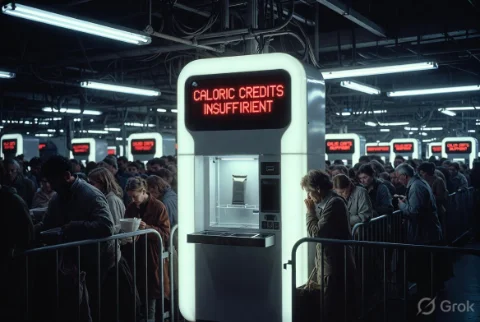
Most fantasy novels feature magic as a rare gift or a destructive weapon. However, when magic becomes common, society will inevitably find a way to commercialize and regulate it. This is the core of mana punk, a subgenre where arcane energy replaces coal, steam, and electricity. For writers, the challenge lies in transforming abstract spells into concrete public works.
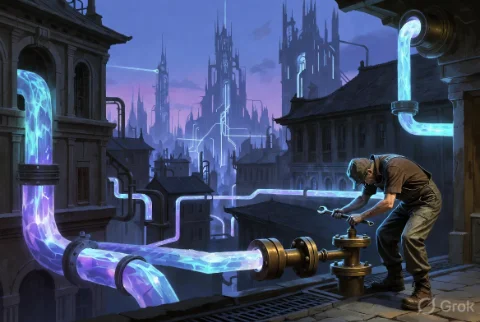
To build a convincing mana punk metropolis, you must look at your magic through the lens of civil engineering. Consider how your citizens get their power. Is mana piped through copper lines beneath the cobblestones, or is it beamed from glowing towers across the skyline? Just like modern electricity, an arcane grid requires maintenance, creates waste, and is prone to blackouts. Defining these logistics adds an immediate layer of realism to your setting.
This approach also naturally generates conflict and plot points. If magic functions as a utility, there will be corporate monopolies, political battles over access, and working-class mechanics who fix broken runes. A neighborhood losing its connection to the city ward creates instant tension. When you treat your magic system as infrastructure, your fantasy world stops feeling like a stage set and starts feeling like a living, breathing place.