You write a good caption. You're honest about how the event went, you thank the people who came, maybe you even add a thoughtful line about what the night meant to you. Then you post it, check back an hour later, and the numbers are flat. A handful of likes from people who already follow you, and nothing else.
It's easy to blame the caption, the timing, or the algorithm in general. Often, though, the post never had much of a chance, because the photo attached to it had already decided how far the post would travel, long before anyone read a single word you wrote.
Why the Photo Does More Work Than the Caption
Most people scrolling past a post decide whether to stop within a fraction of a second, almost entirely based on the image. The caption only gets read by people who've already paused, and people only pause for an image that catches their attention in some way. A flat, generic photo gets scrolled past before the caption even has a chance to be seen, no matter how well written it is.
This means the photo isn't just decoration sitting above your words. It's the gatekeeper deciding whether your words get read at all.
The Mistake Itself
The mistake is posting the photo that looks the most official rather than the one that looks the most alive.
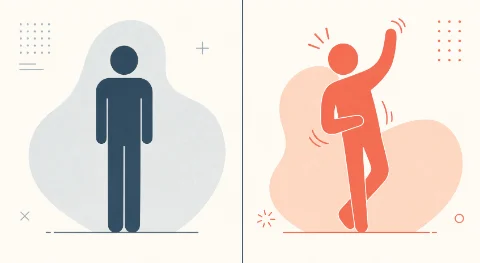
This usually means a stiff, posed group shot. Everyone facing the camera, smiling on cue, standing in a slightly awkward line because someone said "everyone gather round." It feels like the right photo to post because it captures everyone who was there and looks tidy and professional. But it also looks like dozens of other posed event photos people scroll past every day, which means it doesn't stand out enough to make anyone stop.
A posed photo signals that the moment was set up for the camera, rather than the camera catching something that was actually happening. People can sense that difference instantly, even if they couldn't explain why one photo holds their attention and another doesn't.
What Stops the Scroll Instead
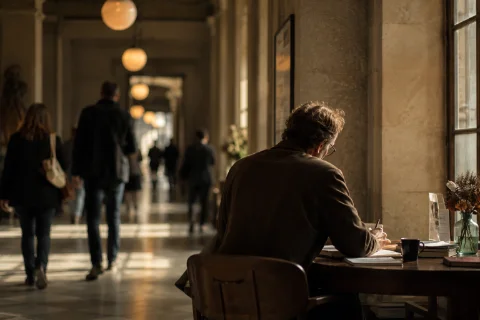
A candid moment almost always outperforms a posed one, even when the posed shot is technically better lit or more flattering. A laugh caught mid-sentence. A reader genuinely absorbed in flipping through a book. You mid-gesture while answering a question, clearly not aware of the camera at all. These photos look like something actually happened, which is exactly the impression that makes someone pause long enough to read what you wrote underneath.
This doesn't mean every posed photo is useless. A clean shot of your table or your books still has its place. But leading with a candid moment rather than a posed one is often the single biggest factor in whether a post gets seen by anyone beyond your existing followers.
The Second Mistake That Compounds the First
Even once the right kind of photo is chosen, a second issue often follows it. Many event photos are taken from too far away, in a room with mixed or unflattering lighting, leaving the actual moment buried in visual clutter. A genuinely good candid moment can still go unnoticed if it's lost in a wide, dim shot crowded with background detail.
Getting close enough that the moment itself is clear, even if it means a slightly less tidy composition, usually matters more than getting the whole room in frame.
How to Actually Get Better Photos During the Event
The best event photos rarely come from a planned photo moment. They come from someone, you, a friend, or another attendee, quietly taking a few shots while things are actually happening rather than stopping the room to set up a pose. If you can, ask someone you trust to take a handful of photos throughout the event without announcing it, rather than waiting until the end to gather everyone for one official shot.
If you're attending alone, a few photos taken from your own side of the table, capturing a reader's hands flipping through your book or a genuine smile mid-conversation, will usually serve you far better than a single selfie taken in a quiet moment when nothing else is happening.
Choosing the Right Photo After the Event
Once the event is over and you're choosing what to post, resist the instinct to pick the photo where everyone looks their best. Instead, look for the one where something is clearly happening. A slightly blurred photo of a real laugh will almost always do more for your reach than a perfectly sharp photo of everyone standing still and smiling at the camera.
The Part Worth Remembering
Nobody scrolls past a post and thinks about your caption first. They see the photo, decide in an instant whether something real is happening in it, and only then, if it caught their attention, do they read what you actually wrote. Choosing the right photo isn't a finishing touch on the post. It's the decision that determines whether the rest of the post gets a chance to be read at all.