The Kindle store is the largest bookshop that has ever existed, and it grows by thousands of titles every single day. For readers, that abundance is both the gift and the problem. Somewhere in the store right now is an independent author writing exactly the book you want, and standing between you and that book are a few million others. Experienced indie readers navigate this crowd with surprising speed, not because they are lucky, but because they have learned to read the signals that separate a carefully made book from a hastily uploaded one, often without reading a single page of the story itself.
None of these signals is foolproof on its own, and a rough cover occasionally hides a masterpiece. But taken together, they form a reliable picture, and they take about five minutes to check. Here is what to look for.
Start With the Cover, but Read It Correctly
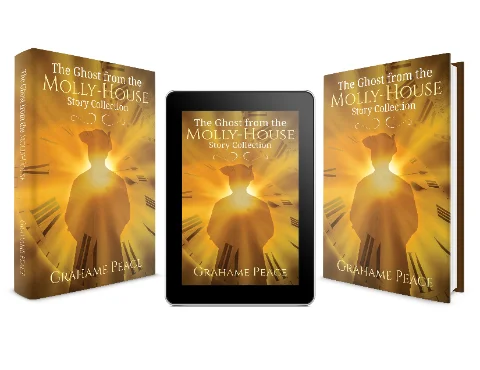
The cover test is not about beauty. It is about genre fluency. A high-quality indie author studies the bestselling covers in their category and either hires a designer who speaks that visual language or learns it themselves, because the cover's real job is to tell you, at thumbnail size, exactly what kind of story is inside. A moody, desaturated house for a psychological thriller. Ornate typography and a dagger for romantasy. If a cover looks like its genre, the author understands their market, and authors who understand their market usually understand their craft. Be more forgiving of style than of confusion: an unfashionable cover is a weak signal, but a cover that cannot decide what genre it belongs to often predicts a book with the same problem.
Read the Blurb Like an Editor
The book description is the largest sample of the author's prose most browsers ever read, and it is the sample the author polished hardest. Look for specificity: named characters, a concrete situation, a clear source of tension. Weak blurbs deal in abstractions, journeys of discovery and worlds turned upside down, because vagueness is easier to write than clarity. Also notice restraint. A blurb drowning in exclamation marks, comparisons to five different bestsellers, and promises that you will not be able to put it down is marketing louder than it is confident. The best indie blurbs read like the flap copy of a traditionally published hardback, calm, precise, and intriguing, because their authors studied exactly that.
Use the Sample, the Most Underused Button in the Store
Every Kindle book offers a free sample, and it answers most questions the cover and blurb cannot. You are not reading for enjoyment yet; you are reading for evidence. Does the formatting look clean, with proper paragraph indents and chapter headings? Does the opening page contain typos, because a book whose free sample has errors on page one rarely improves on page two hundred. Does the prose have rhythm, and does something actually happen in the first chapter? Professional-quality indie authors invest heavily in editing and interior formatting precisely because they know the sample is their audition. Ten minutes with a sample tells you more than a hundred reviews.
Read the Three-Star Reviews First
Review counts are a popularity signal, not a quality signal, and five-star reviews are frequently written in the first flush of enthusiasm or by the author's devoted existing readership. The most useful reviews on any book's page are the three-star ones, written by readers who finished the book, liked some of it, and felt no strong emotion pulling their honesty in either direction. They will tell you the pacing sags in the middle, that the romance overshadows the mystery, or that the editing is rough in the back half, and you can then decide whether those particular flaws matter to you. A book whose three-star reviews complain about things you do not care about is very often a safe purchase.
Look for the Backlist and the Cadence
Click through to the author's page before you buy. A high-quality indie career leaves a visible shape: multiple books, consistent covers across a series, a release history showing steady output over years rather than a single title uploaded and abandoned. Longevity signals professionalism, because independent authors who edit properly, commission real covers, and treat their readers well are the ones who survive long enough to build a backlist. A debut with no history deserves a chance too, of course, and that is exactly what the sample is for. But a deep, tidy backlist is one of the strongest quality signals the store offers, and it comes with a bonus: if you love book one, the rest are already waiting.
Check the Curation Signals Most Readers Miss
The indie world has built its own quality infrastructure, and its stamps are worth learning to recognise. Competition credentials such as the Self-Published Fantasy Blog-Off, whose blogger judges read hundreds of entries a year, are hard-earned and meaningful. Editorial review services like Kirkus and BookLife assess independent books against professional standards, and a starred or featured review is a genuine distinction. Even within the Kindle page itself, quiet signals accumulate: popular highlights shown in the sample mean real readers marked real passages, and a well-built X-Ray or series page suggests an author who sweats the details. None of these are common. That is precisely why they mean something.
Trust Communities Over Algorithms
Finally, the strongest quality filter ever invented remains other readers, in quantity, with no stake in the sale. Genre bloggers who read hundreds of indie books a year, long-running review sites, and reader communities surface high-quality independent work far more reliably than a storefront algorithm optimised for whatever you bought last. When several unconnected readers in a community you trust converge on the same unknown author, that convergence is the signal, and it is one no marketing budget can fake for long.
That is, not coincidentally, exactly what Indie Reading Community exists to provide. Our book listings gather independent books that real readers vouch for, our author interviews let you take a writer's measure before you commit an evening to them, and our community forums are full of the kind of readers whose recommendations make all the checking above unnecessary.