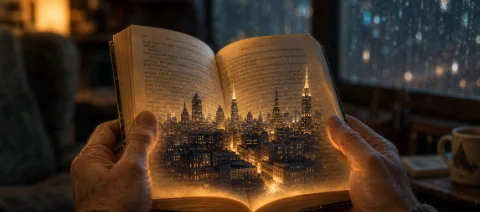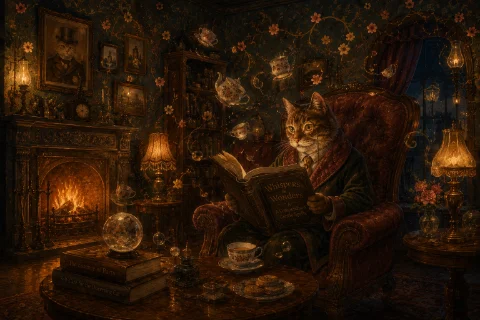
Gaslamp fantasy is what you get when you take the elegance of the 19th century, the gas-lit streets, drawing rooms, corsets and calling cards, and quietly slip magic into it. Unlike steampunk, which foregrounds machines and invention, gaslamp fantasy leaves the technology mostly historical and lets sorcery, ghosts and hidden magical societies do the strange work. The result is fiction where a governess might be a necromancer, a debutante might command lightning, and a foggy alley is never just a foggy alley.
What Makes Gaslamp Fantasy Different
The genre draws from a rich lineage: gothic fiction, Regency and Victorian novels, penny dreadfuls, and the ghost stories that filled 19th century magazines. Susanna Clarke's Jonathan Strange and Mr Norrell is often held up as the definitive modern gaslamp fantasy, blending real Napoleonic history with English magicians and fairy lore. Mary Robinette Kowal's Glamourist Histories add magic to Jane Austen's world. Kim Newman's Anno Dracula reworks Victorian London through vampire fiction, and Cassandra Clare's Infernal Devices trilogy sits comfortably in the same lamplight.
Three qualities tend to mark a gaslamp fantasy story. First, a 19th century or Regency-inflected setting, rendered with genuine period feel: manners, class, correspondence, social ritual. Second, magic that is hidden, hereditary or genteel, often practised behind closed doors and bound by rules of propriety. Third, an atmosphere that leans towards the elegant, the eerie and the melancholic rather than the swashbuckling. Gaslamp fantasy is quieter than steampunk and cosier than gothic horror, but it borrows freely from both.
Why Readers Love It
Gaslamp fantasy delivers a very particular pleasure: the feeling of a well-appointed drawing room hiding a secret. Readers who love historical fiction, Austen adaptations and gothic novels find their imaginative homes here, with the added spice of real magic. Every ballroom becomes a stage for hidden spells, every letter might carry a curse, every eligible cousin might be something more.
The genre also honours atmosphere over spectacle. Gaslamp fantasy trusts fog, candlelight and drawing room silences to do heavy lifting, which suits readers who prefer their fantasy simmered rather than exploded. Even when the plot turns dark, it does so with restraint, which somehow makes the shivers land harder.
Where to Start
Jonathan Strange and Mr Norrell is the essential entry point, though its length invites patience. Mary Robinette Kowal's Shades of Milk and Honey is shorter and gentler, ideal for readers who love Austen. Zen Cho's Sorcerer to the Crown brings wit and welcome diversity to the tradition. From there, dive into indie territory, where gaslamp fantasy is beautifully alive. Independent authors are writing Victorian magical societies, foggy occult mysteries and Regency spell romances with a warmth and imagination that suit the genre perfectly.