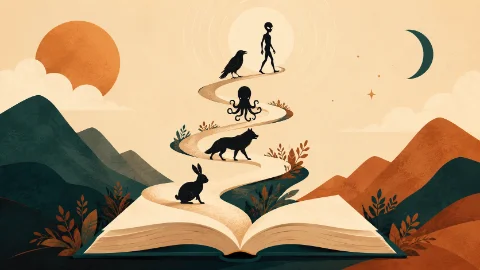
Fantasy and science fiction are two sides of the same imaginative coin. They both invite readers to step out of reality and explore worlds that do not exist. Because they share bookstore shelves and fan bases, the line between them can sometimes feel incredibly blurry.
For a writer, knowing the exact boundary between the two is essential for meeting reader expectations. Here is the breakdown of the main difference and how to tell them apart.
The Core Rule: Magic vs. Science
The absolute fundamental difference between fantasy and sci-fi comes down to how the impossible is explained.
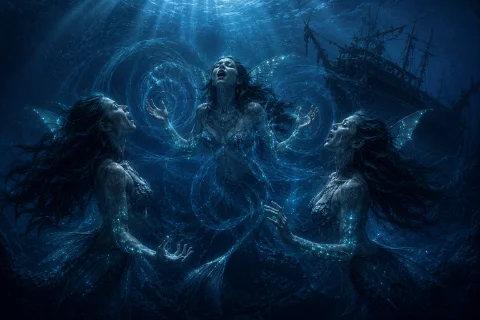
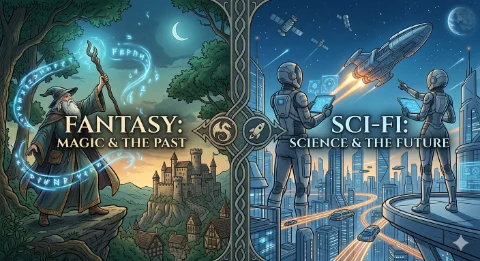
Fantasy relies on the supernatural. In a fantasy world, wonders happen because of magic, divine intervention, ancient curses, or mythical laws. You do not need to explain how a wizard casts a spell using physics, because the world operates on mystical rules.
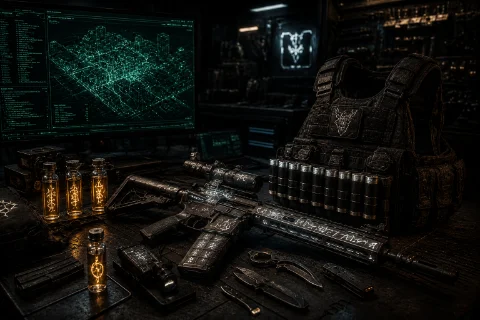
Science fiction relies on plausibility. In a sci-fi world, wonders happen because of technology, advanced evolution, or natural laws. Even if the technology seems like magic to us today, it is rooted in human or alien ingenuity, physics, and scientific progression.
The Direction of the Horizon
Another helpful way to distinguish the two genres is to look at their settings and cultural inspirations.
Fantasy usually looks backward into the past. It heavily borrows from human history, mythology, folk tales, and medieval structures. You will frequently find swords, castles, and ancient prophecies dominating the narrative landscape.
Science fiction almost always looks forward into the future or outward into the unknown. It explores the consequences of technological growth, space travel, time exploration, or dystopian societal shifts.
What If vs. If Only
The emotional hook of each genre often stems from a different philosophical question. Science fiction asks, "What if?" It takes our current reality, adds a technological advancement, and examines how humanity reacts.
Fantasy asks, "If only." It creates an entirely separate reality where the impossible is a normal part of daily life, offering total escapism from our worldly constraints.
Ultimately, you can blend the two to create a science-fantasy story, but mastering the core difference ensures your world-building remains consistent and satisfying.