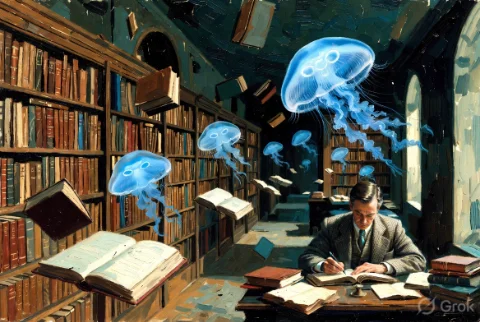
There was a time when readers would settle into a novel for hours, following a single unbroken thread from beginning to end. That ideal reader, the one who could lose themselves completely in long, immersive prose without glancing at a phone, feels increasingly like a figure from another era.
We are writing for a different kind of reader now. One who reads in the spaces between notifications, on commutes, during lunch breaks, or in the quiet moments before sleep. Their attention is not gone. It is simply divided.
This shift does not mean we have to abandon depth or beauty. It means we need to design stories that respect how people actually read today. The elegy for the linear reader is not a funeral. It is an invitation to create fiction that meets readers where they are.
Why Structure and Pacing Matter More Than Ever
Modern readers often consume stories in fragments. They might read a chapter on their phone during a train ride, then pick up the book again days later. If the story does not give them strong reasons to return, many will not.
The good news is that this reality pushes writers toward greater precision and intentionality. Stories that reward short, focused reading sessions can still deliver powerful emotional and intellectual experiences. They simply need different tools.
Techniques That Work in the Attention Economy
Create frequent, satisfying entry points.
Short chapters or clearly marked sections give readers natural stopping points and easy re-entry. Each section should feel complete enough on its own while still pulling the larger story forward.
Lead with momentum.
Open chapters and major scenes with immediate tension, a compelling image, or a question. You do not need explosions on every page, but readers should feel the story moving from the first paragraph of each new section.
Use micro-tension and emotional beats.
Instead of one giant climax, build smaller moments of conflict, revelation, or emotional charge throughout. These frequent rewards help hold attention across interruptions.
Favor clarity and precision.
Long blocks of unbroken exposition or overly complex sentences can lose readers who are already managing multiple mental tabs. Vary sentence length. Let dialogue do heavy lifting. Cut anything that does not earn its place.
Embrace modular or episodic structures.
Some of the most successful contemporary fiction uses interlocking stories, shifting perspectives, or non-linear timelines. These forms can feel fresh and allow readers to engage with pieces of the whole without needing perfect linear focus.
Design for re-entry.
Remind readers of key emotional stakes or relationships when they return after a break. Subtle echoes or recurring motifs help reorient them quickly.
Examples Worth Studying
Many writers are already succeeding at this kind of design. Fragment novels like Jenny Offill’s Dept. of Speculation deliver wisdom and emotional power through short, concentrated passages that feel perfectly suited to distracted reading.
Thrillers and literary novels with short, propulsive chapters keep readers turning pages even when time is limited. Works with non-linear or multi-threaded structures, such as those by David Mitchell or Maggie O’Farrell, reward readers who dip in and out while still building toward something larger.
Even classic short story collections show how powerful contained, self-contained moments can be when read individually or together.
What to Watch Out For
Designing for shorter attention does not mean writing shallow stories. The danger lies in overcompensating with constant action or gimmicks that sacrifice emotional truth.
Avoid treating readers as incapable of depth. Many people still crave rich, thoughtful fiction. The goal is accessibility without condescension. Strong hooks and clear structure can support complex themes and beautiful language rather than replace them.
Another risk is losing the pleasure of slow, immersive reading altogether. Some stories still benefit from longer, unbroken sections. The key is intention. Know when to speed up and when to linger.
Practical Ways to Adapt Your Own Writing
Try breaking a long chapter into smaller sections and test whether each one can stand somewhat on its own while advancing the whole.
Read your work as if you only had ten or fifteen minutes. Where do you feel the urge to stop or skim? Those are the places that need stronger momentum or clearer emotional payoff.
Experiment with form. A novel told through short vignettes, text messages, or alternating timelines might suit both your story and modern reading habits better than a traditional linear structure.
Consider your ideal reader’s life. Where and when might they actually pick up your book? Design with those moments in mind.
An Opportunity, Not a Compromise
The end of the purely linear reader does not mean the end of serious or ambitious fiction. It means fiction must evolve alongside its audience.
Stories that are built to be picked up and put down, that offer rewards in small doses while still accumulating into something meaningful, can reach more readers without losing their soul. They respect the reality of contemporary life while still offering escape, insight, and connection.
Writing for the fractured attention economy is ultimately an act of generosity. It says to the reader: I see how busy and distracted your world is, and I still believe this story is worth your time.
What techniques have you tried to keep readers engaged across short reading sessions? Have you read any books recently that felt perfectly designed for the way we read now? Share your thoughts in the comments. The Indie Reading Community is full of writers and readers navigating this exact shift together.