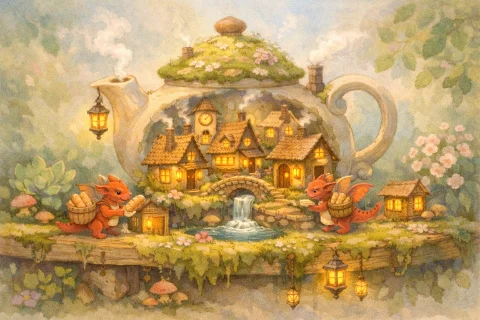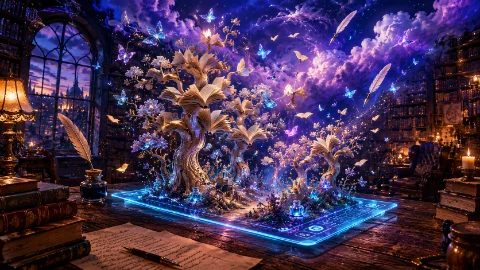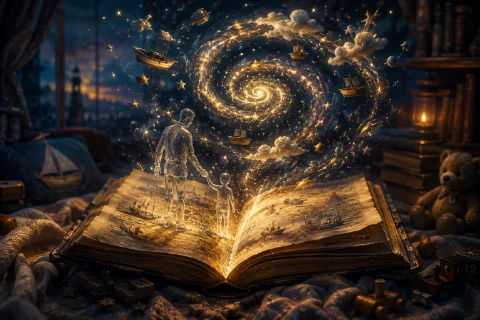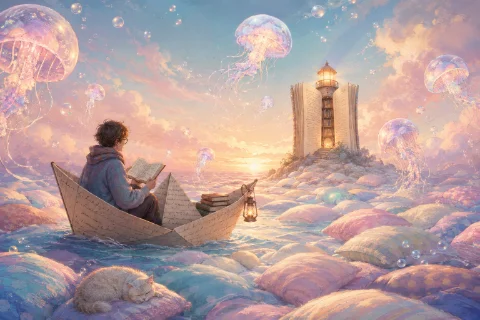
Most fiction uses dreams as decoration: a symbolic sequence here, a nightmare there. Dreampunk builds entire worlds out of them. In this genre, dreams are infrastructure. They are the landscape characters travel through, the resource economies fight over, the medium in which magic and technology operate. Sometimes dreams are literal shared spaces. Sometimes reality itself turns out to be a dream nested inside another. Either way, the boundary between mind and world is where the story lives.
What Makes Dreampunk Different
The genre draws from a rich lineage. Neil Gaiman's The Sandman shaped much of the modern imagination around dream realms as places you can visit. Films like Paprika, Inception and Waking Life explored dream layers and dream logic on screen. Catherynne M. Valente's Palimpsest, a city reached only through dreaming, is often held up as a definitive dreampunk novel. LaShawn M. Wanak and other contemporary writers have kept pushing the form in short fiction.
Three qualities tend to mark a dreampunk story. First, dreams as a genuine setting with rules, geography and inhabitants, not just brief interludes. Second, a blurred ontology, where waking life and dreaming life leak into each other and neither feels entirely solid. Third, an aesthetic that mixes the surreal, the melancholic and the technological. Like other punk genres, dreampunk asks who controls the dream infrastructure and what happens when that control is abused.
Why Readers Love It
Dreampunk delivers imagery no other genre can match. Skies made of eyelids, cities that rearrange themselves nightly, marketplaces trading in stolen memories: the visuals lodge in your head the way real dreams do, refusing to be forgotten. For readers who love strangeness with meaning behind it, dreampunk is a feast.
The genre also probes questions that feel increasingly relevant. Who owns your inner life? What happens when attention, memory and imagination become resources? Under the surreal surface, dreampunk is often quietly political, asking what we are willing to sell of ourselves.
Where to Start
The Sandman remains the classic entry point, and Palimpsest is essential for anyone serious about the genre. From there, seek out short fiction magazines and anthologies, where dreampunk stories often first appear. Indie authors are especially important here, as the genre's strangeness sits far outside commercial comfort zones. Look for books described as dreamlike, oneiric or reality-bending.