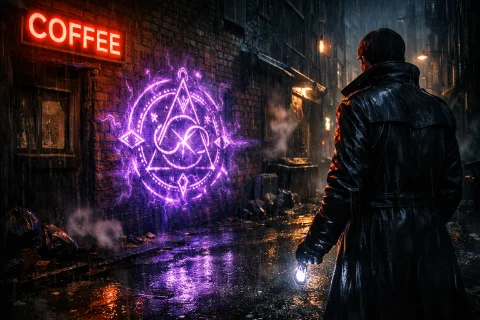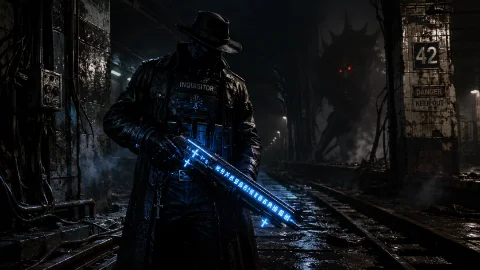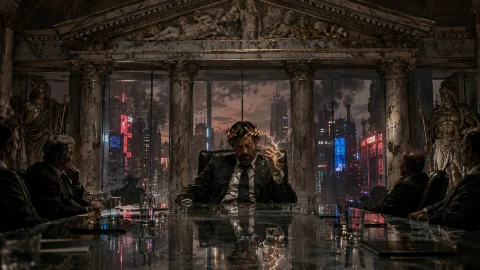
Mythpunk thrives on taking ancient deities and folk heroes and plunging them directly into gritty, urban, and modern realities. Traditional mythology usually treats the divine with a sense of sacred awe, framing gods as untouchable rulers of destiny. Mythpunk completely rejects this reverence, practicing a form of literary de-sacralization. By stripping these entities of their holy status and making them navigate modern systems, writers can use the inherent absurdity of a god facing a human institution to critique our real-world power structures.
To execute this effectively, you must map mythological traits onto modern socio-economic archetypes. Consider a god of thunder not as a celestial warrior, but as the ruthless chief executive officer of a predatory energy conglomerate. A trickster deity becomes a desperate gig-economy worker struggling to pay rent, while a goddess of fertility runs a highly corporate, exploitative wellness brand. When you embed these cosmic beings into familiar bureaucratic hierarchies, you instantly highlight how modern capitalism and political corruption warp the human spirit.
This subversion naturally provides a platform for marginalized voices to reclaim narrative agency. In classical myths, ordinary humans are often treated as mere pawns in divine games, which directly mirrors how average citizens are impacted by elite policy decisions. When your human characters rebel against a de-sacralized pantheon, they are effectively fighting back against the systemic oppression of corporate monopolies, police states, or corrupt governments. By treating the divine as just another oppressive hierarchy to be dismantled, you give your fantasy narrative a sharp, revolutionary edge.