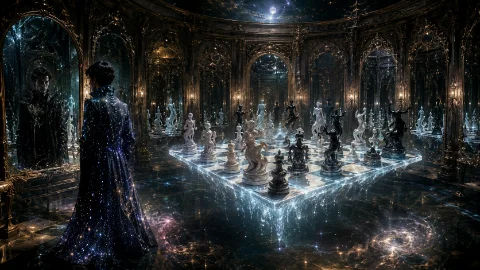
We are often taught that stories need a clear hero to root for and a definitive villain to defeat. However, as readers and writers who value genuine depth, we know that human nature rarely fits the mainstream mold. The most memorable narratives are those that operate in the complex, uncomfortable grey areas of morality.
A truly compelling villain is not evil just for the sake of being evil. They are characters who make terrible choices for reasons we might, in our darkest moments, actually understand. When a story subverts classic archetypes and presents an antagonist with profound, relatable motivations, the entire reading experience shifts.
If you are looking for literature that challenges conventional expectations and requires a slow, intentional read, here are five books featuring masterfully crafted morally grey villains.
1. The Broken Earth Trilogy by N.K. Jemisin
While spanning an entire trilogy, Jemisin’s worldbuilding introduces antagonists that are terrifying precisely because their logic is so fundamentally sound. The characters opposing the protagonist are often driven by an absolute need for survival in a world that is actively trying to destroy them. The trilogy excels at showing how systemic oppression forces individuals into impossible choices, blurring the line between self-defense and villainy in ways that will stay with you long after the final page.
2. Vicious by V.E. Schwab
This novel is a masterclass in dismantling the superhero archetype. Schwab presents two brilliant, ambitious friends who discover a way to give themselves extraordinary abilities. The ensuing conflict is not a battle of good versus evil, but rather a violent clash of two massive egos, both completely convinced of their own righteousness. The narrative forces you to bounce between perspectives, constantly re-evaluating which of the two men is actually the monster.
3. The Poppy War by R.F. Kuang
Kuang’s brutal and brilliant fantasy novel takes a hard look at the cost of war and the nature of power. What begins as a relatively standard academy narrative quickly spirals into a dark exploration of vengeance. The most compelling aspect of this book is not just the external villains, but the protagonist's own terrifying descent into the grey areas. It is a stark reminder that the heroes we champion can easily become the villains we fear when pushed to the absolute breaking point.
4. The Secret History by Donna Tartt
Tartt’s modern classic is less about defeating a villain and more about watching ordinary people slowly become them. A group of eccentric, isolated classics students at an elite college cross a moral boundary that they can never uncross. The chilling aspect of this book is how the characters justify their horrific actions through the lens of academic detachment and aesthetic beauty. It is a deeply psychological read that explores the horrifying banality of evil among the highly educated.
5. Black Sheep by Rachel Harrison
Sometimes the grey areas are found within the confines of our own families. Harrison’s novel explores a protagonist returning to her deeply religious, fundamentalist family after years of estrangement. The antagonists here are not cackling masterminds; they are people who genuinely believe they are saving the protagonist's soul through manipulation and control. It is a fantastic exploration of how toxic family dynamics can be dressed up as righteous love.
The Appeal of the Complex
Stories with this level of depth require us to engage actively with the text. They do not offer easy answers. By reading and analyzing these complex characters, we elevate our own understanding of narrative structure and human empathy.