The Best Apps and Websites for Tracking Indie Book Releases
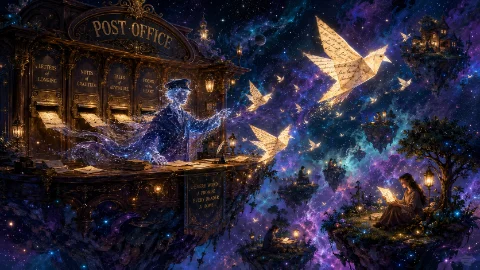
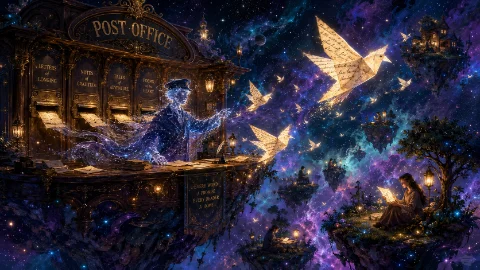
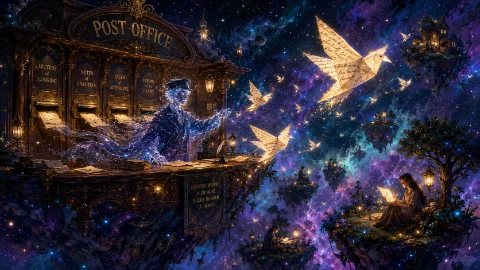
Now, I get the thrill of release-day anticipation without the heartbreak of being late to the party. Here are the tools that keep me ahead of every new self-published book that matters.
No bio added yet.
No books listed yet.
Now, I get the thrill of release-day anticipation without the heartbreak of being late to the party. Here are the tools that keep me ahead of every new self-published book that matters.
Let’s be honest: for every breathtaking indie gem, there are ten books that make you want to hurl your e-reader across the room. I’ve DNF’d more self-published books than I can count, but I’ve also discovered stories so good they’ve ruined me for anything else. This guide is my hard-earned roadmap for consistently finding those 5-star indie reads without the heartbreak.
Climate collapse fiction thrives on plausibility and emotion. In this behind the scenes look, I share how I research near future environmental collapse, choose my sources, and turn those decisions into both powerful storytelling and smart SEO.
Modern dark fiction has evolved far beyond simple end of the world stories. Survival thrillers, climate collapse tales, grimdark epics, and pre-apocalyptic dramas explore how people break, adapt, or transform when everything familiar begins to fall apart.
Dystopian and apocalyptic fiction continue to dominate modern storytelling. From ruined civilizations to morally complex survivors, these genres reflect real fears while offering gripping narratives that readers cannot resist.
Writing characters whose backgrounds differ from your own is one of the most rewarding—and most responsibility-laden—challenges in fiction. Learn the research practices, sensitivity habits, and craft techniques that make diverse characters feel fully human.
Writing for children demands the same craft rigor as literary fiction—with the added challenge of matching vocabulary, theme, and emotional complexity to a specific age range. Learn how to create middle grade stories that kids can't put down and parents love too.
Comedy on the page is one of the hardest things to pull off—timing, surprise, and character voice must align perfectly or the joke lands with a thud. Learn the craft principles behind fiction that makes readers laugh out loud.
The biggest mistake writers make in fight scenes is describing movement at the expense of emotion—readers need to feel the stakes, not just follow the choreography. Learn how to write action sequences that are physically vivid and emotionally devastating.
A single perfect metaphor can do what three paragraphs of description cannot—it collapses distance between reader and story in one electric instant. Learn how to craft figurative language that feels inevitable rather than forced.
The difference between a scene readers skim and one they fully inhabit comes down to sensory specificity—the exact smell, texture, or sound that makes a moment real. Master the art of sensory detail and your fiction will leap off the page.
Interior monologue is the craft skill that makes readers forget they're reading—when done right, they feel they are the character. Discover how to write authentic, gripping inner thoughts that reveal character and drive story simultaneously.
No interviews yet.