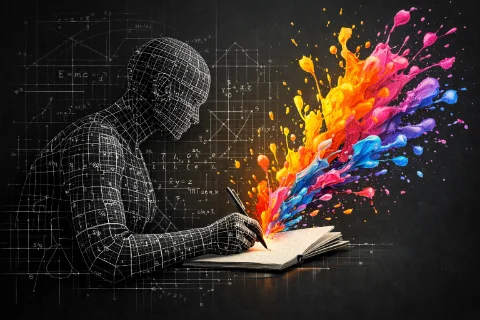
We have all experienced that breathtaking literary moment. You are reading late into the night, turning pages at a furious pace, when a single sentence completely upends the narrative reality. Your jaw drops, your eyes race back across the words to ensure you did not misread them, and a chill runs down your spine.
A truly great plot twist is incredibly difficult for an author to pull off. It requires a delicate masterclass in misdirection, psychological manipulation, and meticulous structural plotting. When executed perfectly, a twist does not feel cheap or unearned; instead, it feels like an inevitable, blinding flash of clarity.
1. The Power of the Unreliable Narrator
The most devastating plot twists often stem from the very person telling us the story. When an author constructs an unreliable narrator, they exploit our natural human tendency to trust the protagonist's perspective. When the mask finally slips, we are forced to realize that the reality of the situation was completely distorted by the storyteller's own bias or delusion.
Real-World Example: A masterclass in this technique is The Murder of Roger Ackroyd by Agatha Christie. This timeless detective novel features what is widely considered the greatest twist in crime fiction history. Christie masterfully exploits the traditional conventions of the mystery format, using the narrator's unique perspective to shield the truth from the reader until the final pages.
2. The Art of Hiding Clues in Plain Sight
A cheap twist relies on random chance or information that was withheld from the reader until the very last second. Conversely, a brilliant twist leaves a trail of subtle breadcrumbs throughout the entire book. When you look back after the big reveal, you realize the truth was staring you in the face the entire time, hidden masterfully beneath brilliant dialogue or clever pacing.
Real-World Example: Look no further than Gone Girl by Gillian Flynn. Flynn structuralized a modern classic by splitting the narrative between two intensely distinct, competing perspectives. The mid-book reveal completely shatters the established timeline, proving that the clues to the dark psychological thriller were there all along, hidden right beneath the domestic drama.
3. Shifting the Genre mid-Story
Some of the most shocking reveals occur when an author completely pulls the rug out from under the book's established genre. A story that starts as a cozy, slow-burning historical romance might suddenly fracture into a dark psychological thriller or a chilling piece of suspense. This sudden tonal shift completely shatters expectations and re-energizes the reader's focus.
Real-World Example: A stunning historical execution of this is Fingersmith by Sarah Waters. Set in Victorian London, this novel delivers a mid-point twist that is so sudden it leaves readers physically breathless. Waters crafts a complex web of cons within cons, completely changing the genre dynamics from a simple historical caper into a dark, multi-layered betrayal.
4. The Emotional Gut-Punch of Tracking Inevitability
The twists that leave the deepest emotional scars are those where the puzzle pieces click together to seal a character's fate. These reveals lay bare a tragic truth that makes a happy ending entirely impossible. The shock is immediately followed by a wave of profound sadness, transforming the book from a simple mystery into a haunting, unforgettable tragedy.
Real-World Example: This emotional destruction is perfectly captured in Rebecca by Daphne du Maurier. This gothic masterpiece relies on psychological haunting and secrets. The twist comes from a sudden, sharp re-framing of the dead title character's true nature, instantly forcing the narrator and the reader to re-evaluate every single haunting interaction that occurred in the first half of the book.
5. Why We Rush to Re-Read the Book Immediately
The ultimate sign of a flawless plot twist is the immediate urge to flip back to page one and start the book over again. Reading the story a second time with the final reveal in mind offers an entirely new literary experience. You see the double meanings in every conversation, notice the heavy foreshadowing, and marvel at the author's incredible structural engineering.
Real-World Example: A contemporary phenomenon that demands an instant second read is The Silent Patient by Alex Michaelides. This thriller keeps readers hooked through a brilliant manipulation of dual timelines. By weaving a diary alongside a therapist's real-time investigation, the narrative builds toward a final sentence that entirely upends the chronology, making a second read an absolute necessity to see how you were fooled.