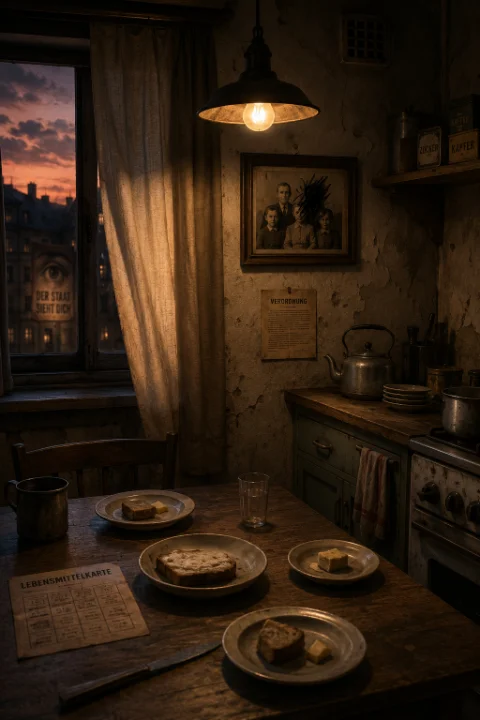
Writers are constantly told to "show, don't tell." It is a fundamental rule of the craft. However, simply listing the visual details of a room or describing a character's facial expressions can still feel flat. To write stories that truly linger in the mind, you must move beyond the mainstream mold of straightforward description. You must learn to use the physical world to reveal the psychological one.
Anchoring the Archetype
Every character interacts with their environment differently. A classic hero might notice the structural weaknesses of a room, while a complex trickster archetype might immediately spot the unguarded exits or the hidden valuables. Instead of explicitly stating a character's personality traits, let their sensory focus do the work.
When you describe the smell of stale rain on concrete or the abrasive texture of a wool coat, you are doing more than setting a scene. You are firmly anchoring the reader inside the character's unique perspective.
Exploring the Grey Areas
Emotions are rarely simple. The most compelling stories thrive in the messy, contradictory grey areas of the human experience. Sensory details allow you to capture these nuances perfectly.
- Avoid explicitly naming emotions: Do not write that a character felt terrified.
- Focus on physical reactions: Describe the sudden cold sweat on their palms, the metallic taste of adrenaline in their mouth, or the way the ticking clock in the hallway suddenly sounds deafening.
By forcing the reader to interpret these physical cues, you invite them to actively participate in the emotional journey of the scene.
Creating Lasting Resonance
Your goal is to build an immersive world that feels genuinely lived-in. To achieve this, you should try to engage at least three of the five senses in every major scene.
Tip: Sight and sound are the easiest senses to rely on. Challenge yourself to incorporate scent, touch, and taste to immediately elevate your prose.
When a reader can practically smell the woodsmoke in the air and feel the biting chill of the wind, the story stops being words on a page. It becomes a shared memory. By layering these intentional sensory details, you ensure your writing carries a profound and lasting resonance.