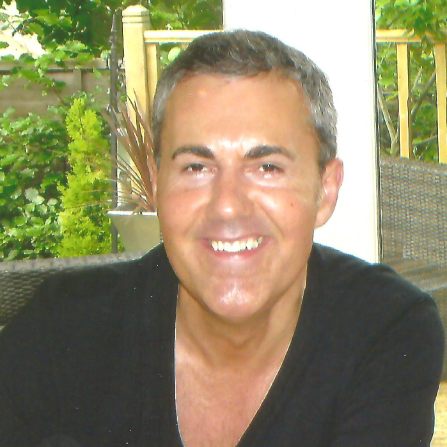

Publishing a first book should feel exciting. Mine did, 11 years ago. It also felt confusing, expensive, and at times strangely hostile. Yes, I expected edits, nerves, rejection, and the slow work of building readers. I did not expect how quickly strangers would appear with flattering emails, urgent offers, vague promises, and scams dressed up as opportunities.
That was the steepest part of the learning curve. The book world can be generous, brilliant, and full of people who care deeply about stories. It can also be highly predatory. New writers often arrive with hope, limited industry knowledge, and a deep wish to be taken seriously. Scammers know that. They build their entire pitch around it.
This article is not legal or financial advice. It is based on my experience and a practical guide to spotting trouble before it costs money, rights, time, or confidence, and to encourage you to be seriously vigilant at every step of your publishing and book promotion journey.
Why writers are easy targets
A book is personal. Even when it is commercial, it carries years of thought, revision, doubt, and hope. That makes writers vulnerable in a way few other creators are.
A scammer does not need to convince every author. They only need to find the author at the right moment. It might be just after publication, when the book is visible online. It might be when sales are slow, and the author is wondering what went wrong.
The hard truth is that scammers do not always look obviously shady. Some have polished websites. Some use professional language. Some offer real services at inflated prices. Others sell things that sound publishing-related but do little for the author. The problem with many book sites that promise sales and list books is that their primary audience is other authors, not buyers and readers.
The difference between investment and exploitation
Paying for publishing help is not automatically a scam. Many authors hire editors, cover designers, proofreaders, formatters, narrators, and publicists (It can be an expensive business). Good professionals are clear about what they do, what they charge, what they need from you, and what you will receive.
A freelance editor can charge for an edit. A cover designer can charge for a cover. A formatter can charge for preparing files. Those are clear exchanges.
A predatory company might charge hundreds while implying that payment will bring book visibility, trade bookshop placement, film interest, media coverage, or traditional publishing attention. Those outcomes are never guaranteed.
A useful question is simple:
"Am I paying for a clearly defined service, or am I paying for hope?"
If the answer is hope, pause at once.
Common publishing scams to watch for
Scams change shape, but the patterns stay familiar. These are the ones authors often meet.
Fake literary agents
A legitimate literary agent earns commission when they sell rights. They do not usually charge reading fees, representation fees, or upfront marketing fees. If someone claims they can represent your book but asks for payment before any submission work, be careful.
Watch for agents who:
- Contact you out of nowhere with heavy praise
- Avoid naming real recent sales
- Push you towards paid editing from a linked company
- Refuse to explain commission terms
- Promise quick access to major publishers
Vanity publishing dressed as traditional publishing
Traditional publishers pay the author, usually through an advance and royalties. The author does not pay the publisher to print the book.
Vanity presses often present themselves as selective publishers while making their money from authors, not readers. Some use phrases such as “partnership publishing” or “contributory publishing”. Those models are not always dishonest, but they demand close scrutiny.
Paid reviews with inflated claims (Red Alert)
There are legitimate review services, and there are also services that imply a paid review will unlock bookshop orders, media attention, or industry recognition. A review can be useful for quotes, credibility, or personal confidence. It cannot force readers to buy.
Be wary if the pitch suggests that one review will transform the book’s future. I can't tell you how many times I've been contacted by people offering to review my book for a price (one wanted £50). They claim to have an army of eager readers, a long list of satisfied authors, and to be on prestigious book sites.
Fake awards and book fairs
Some companies create awards that exist mainly to collect entry fees. Others sell expensive “representation” at book fairs where the author’s book may sit on a shelf among many others, with no real pitching taking place.
Before paying, check the basic facts. Who judges the award? Who has won before? Is the fair package itemised? Will anyone actively pitch rights, or is the book simply being displayed?
Film and foreign rights traps
Few phrases excite authors like “your book has film potential”. Scammers know this. Many approach self-published authors, claiming that producers, studios, or foreign publishers are interested. Then comes the fee for a screenplay treatment, rights catalogue, consultation, or submission package.
Marketing packages that sell activity, not results
Book marketing is difficult. No honest publicist can guarantee coverage, sales, bestseller lists, or viral attention. Ethical marketers explain what they will attempt, what they have achieved before, and what remains uncertain.
Predatory marketing packages often include impressive-sounding tasks that have little value, such as podcasts, mass email blasts, generic press releases, or listings on social media or obscure sites. Ask for examples. Ask what success looks like. Ask what happens if nothing results.
Red flags that should slow you down
Look for these warning signs:
- They praise the book but mention no specific details about it
A convincing reader can refer to character, argument, structure, theme, or audience.
- They contacted you first, trying to hook you in with flattery, with no upfront information about costs (these are very common)
Cold contact is not always a scam, but it deserves a lot of robust caution.
- They guarantee outcomes
No one can honestly guarantee sales, bestseller status, media coverage, bookshop orders, or adaptation deals.
- They push emotion over information
Flattery, fear, and urgency should never replace evidence.
A simple rule has saved many writers money: never sign or pay on the same day you receive the offer.
How to check an opportunity before paying
A little research can break the spell of a polished pitch.
Search beyond the company website
A company’s own website will show its best face. Search for author experiences, complaints, and independent reviews. Look for patterns rather than one angry comment. Every business can have unhappy clients. Repeated stories about pressure, hidden fees, poor communication, or weak results matter. Check email addresses: Is it a company address, or a Gmail or personal address? If they are personal, this is often a red flag.
Speak to other authors
Writers’ groups can be a lifeline. Other authors may recognise a company name or a familiar pitch. They may also help you separate normal industry disappointment from clear exploitation.
Choose communities where people can speak honestly without being shouted down. A calm warning from an experienced author is often more valuable than a glossy brochure.
A trustworthy professional will respect a no. A predatory one may become pushy, wounded, or aggressive. That reaction tells you plenty.
Protecting your rights and your confidence
Scams cost more than money. They can leave authors embarrassed, ashamed, and reluctant to try again. That emotional damage is part of the problem, because silence protects the scammers.
If you have been caught by a bad deal, you are not foolish. You are one of many writers who met a system designed to exploit hope. Learn what you can, seek advice, and warn others when it is safe to do so.
You can still be ambitious. You can still believe in your book. You can still pay skilled people to help you. The difference is that each choice should be based on evidence, terms, and fit, not panic or flattery.
A healthier way to move through publishing
The book world is not one single gate. It is a mix of traditional publishers, small presses, self-publishing platforms, freelance professionals, bookshops, libraries, festivals, reviewers, readers, and rights specialists. Some people are wonderful. Some are careless. Some are predatory.
After publishing my first book 11 years ago, I learned that excitement needs a companion. That companion is caution. Not fear, not suspicion of everyone, just a steady and healthy habit of always checking before trusting.
If an offer is real, it will still make sense tomorrow. If a professional is genuine, they will answer questions. If a contract is fair, it will survive being read slowly.
The dream is not the problem. The people who sell shortcuts to that dream are. Keep writing, keep learning, and remember that the most powerful word in publishing is often the simplest one: NO.