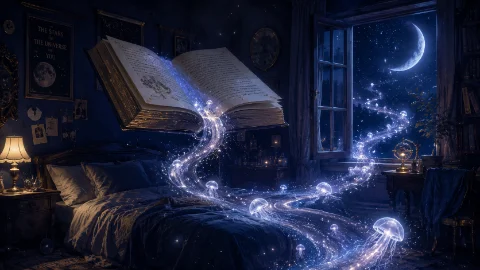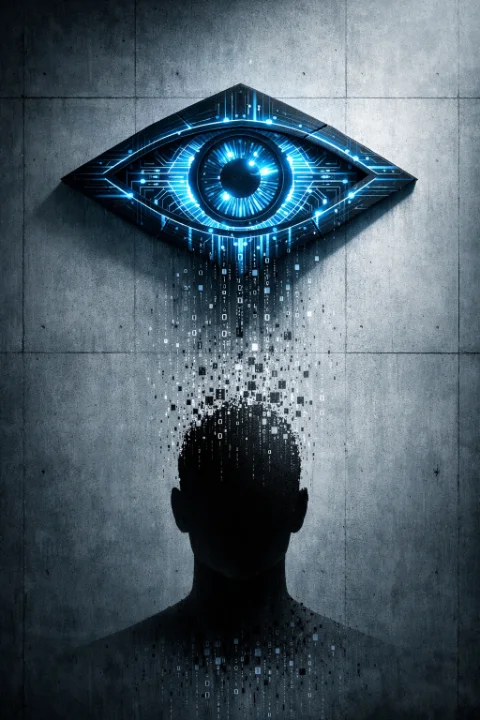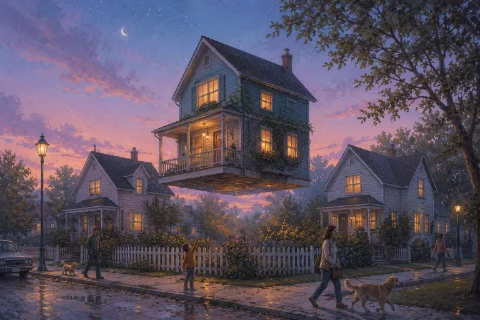
Fabulism sits in one of fiction's most interesting borderlands. It is more grounded than fantasy, more strange than realism, and more folkloric than magical realism. Drawing its name from fable, the genre allows quiet impossibilities into otherwise realistic literary stories: a grief that manifests as a bird living in the kitchen, a family whose members share a single shadow, a town where one day a year everyone tells the truth. The magic is small, unexplained and treated with a straight face, and the story is usually about people, not spectacle.
What Makes Fabulism Different
Readers often confuse fabulism with magical realism, and they are close cousins. But magical realism is deeply tied to specific cultural traditions, especially Latin American literature, and treats the magical as fully embedded in a lived worldview. Fabulism is broader and lighter on its feet, closer to fable and parable. It borrows the shape of folk stories, where a strange event simply happens and the story explores what it means for the people caught inside it.
Aimee Bender, Kelly Link, Karen Russell, Kevin Brockmeier and Carmen Maria Machado are frequent touchstones. Their work moves through recognisable worlds where something quietly impossible has taken root, and the prose treats that impossibility with the same care as any other emotional truth. Three qualities tend to mark a fabulist story. First, a literary sensibility, with attention to language, character and mood. Second, one or a few small impossibilities offered without explanation. Third, a fable-like feeling, as if the story were half-remembering an older tale that never quite existed.
Why Readers Love It
Fabulism speaks to a specific reader hunger: the wish for stories that feel true in the way dreams and myths feel true. When a fabulist writer turns grief into a literal weight the character must carry, or love into a garden that grows overnight, the metaphor becomes physical, and the emotional impact lands harder than any realist description could manage.
The genre also rewards attention. Because the strangeness is rarely explained, readers become collaborators, deciding what each impossibility means. That participatory quality gives fabulist stories a long afterlife. You finish the book, but the book keeps working on you.
Where to Start
Aimee Bender's The Girl in the Flammable Skirt and Kelly Link's Get in Trouble are ideal collections for tasting the genre. Karen Russell's St. Lucy's Home for Girls Raised by Wolves offers similar pleasures. For novel-length fabulism, Kevin Brockmeier's The Brief History of the Dead is a beautiful entry. From there, dive into indie territory, where fabulism thrives in short fiction magazines and small press collections. Independent authors are writing some of the strangest and most affecting fabulist work being published today.
Want fiction that behaves like a half-remembered fable? Discover indie authors writing quiet impossibilities at indiereadingcommunity.com, where literary readers find their next unforgettable read.