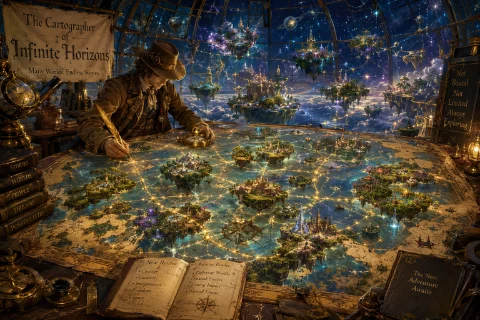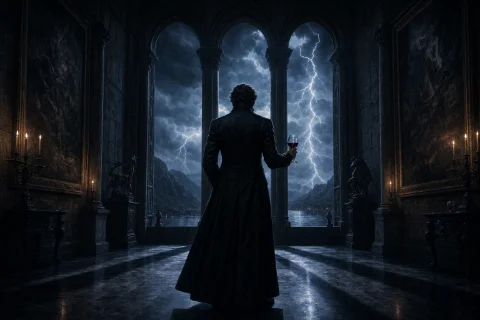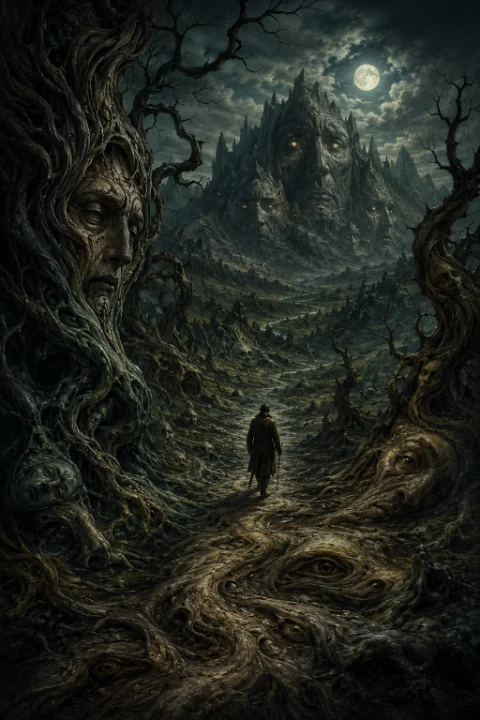
Some of the most memorable stories treat setting not as background but as an active, often hostile presence. The land itself resists, threatens, or transforms the characters who move through it. This approach, which we can call the ecology of the unreal, turns landscape into antagonist.
When the environment has its own logic, moods, and agendas, the story gains tension that feels larger than any single human conflict. Readers sense that the characters are not just fighting other people or their own flaws. They are struggling against the world itself.
This technique works especially well in speculative fiction, horror, climate narratives, and literary works that want to explore humanity’s relationship with place. It creates stories where the setting feels alive and consequential.
What Does It Mean for Landscape to Be Antagonist?
In traditional storytelling, the setting supports the action. In this approach, the setting pushes back. It has rules, dangers, and even a kind of agency. The land might shift underfoot, poison those who linger too long, or slowly erode hope and sanity.
The antagonism does not always need to be overt or monstrous. It can be quiet and relentless, like a desert that offers no water, a forest that rearranges itself, or a city whose architecture seems designed to isolate and confuse. The key is that the environment consistently works against the characters’ goals and well-being.
This creates natural stakes. Survival, navigation, and adaptation become central conflicts. The characters’ relationship with the land reveals their values, fears, and capacity for change.
Why This Approach Resonates Today
Readers are increasingly aware of environmental fragility and the power of place. Stories where landscape actively opposes human presence speak to real anxieties about climate, ecology, and our place in the natural world.
At the same time, these worlds offer powerful metaphors. A hostile landscape can represent internal states, societal breakdown, or the consequences of human actions. When done well, the setting carries thematic weight without feeling preachy.
The ecology of the unreal also rewards close attention. Readers who engage with the rules and rhythms of the world feel immersed and intellectually stimulated.
Techniques for Making Landscape an Active Force
Establish clear rules early.
Give your world consistent behaviors. Does the land react to human presence? Does it change with the seasons, emotions, or specific actions? Clear rules make the antagonism feel fair and believable even when the world is strange.
Use sensory immersion.
Describe how the environment feels on the body and in the mind. Heat that drains will, cold that numbs thought, sounds that disorient, or smells that trigger memory. Make readers experience the land as the characters do.
Show resistance through small, accumulating details.
A single dramatic event can feel cheap. Instead, let the landscape create ongoing friction: equipment fails in unexpected ways, paths disappear, resources dwindle at critical moments, or the terrain seems to watch and respond.
Tie the land to character psychology.
The most powerful versions make the environment reflect or challenge the protagonist’s inner state. A character fleeing guilt might find the land growing more accusatory. Someone seeking connection might encounter a world that forces isolation.
Give the landscape its own “personality” or history.
Treat the setting like a character with a past. What happened here before? What does the land want or remember? Even subtle hints of history make the world feel deeper and more oppositional.
Strong Examples to Learn From
Many acclaimed books use landscape as antagonist to great effect. In post-apocalyptic fiction, barren or poisoned lands force characters into constant negotiation with their surroundings. In weird fiction and horror, sentient or uncanny environments create dread through their refusal to behave as expected.
Literary works sometimes use more subtle versions, where ordinary landscapes become hostile through drought, overdevelopment, or slow ecological collapse. The tension comes from the characters’ growing realization that the place they thought they knew has turned against them.
These stories succeed because the environment is never passive. It shapes every decision and relationship in the narrative.
Pitfalls to Watch For
One common mistake is letting the world overwhelm the human story. The landscape should challenge the characters, not replace them. Readers still need emotional investment in the people moving through the setting.
Another risk is inconsistent rules. If the land behaves differently from scene to scene without reason, readers will feel the antagonism is arbitrary rather than earned.
Avoid over-explaining. Let readers discover the world’s dangers and logic through experience rather than long blocks of exposition. Mystery and gradual revelation often create stronger engagement.
Finally, balance threat with moments of strange beauty or wonder. A purely punishing landscape can become exhausting. Small instances of awe or unexpected generosity from the land can make the antagonism feel more complex and alive.
Practical Ways to Develop Your Own Worlds
Start with a simple question: What does this place want, and how does it get in the characters’ way?
Write a short scene where the only conflict comes from the environment. No other people, just the land and the protagonist. Notice what emerges.
Map the rules of your setting on a single page. What changes when characters enter certain areas? How does time or weather affect the land’s behavior?
Read your draft and highlight every moment where the setting could push back harder. Then revise to make those moments more active.
The Reward of Hostile Worlds
When landscape becomes antagonist, the story gains scope and urgency. Characters are tested not only by other people or their own flaws but by the very ground beneath their feet. This creates narratives that feel elemental and memorable.
These worlds also invite readers to think more deeply about real places and our relationship with them. Fiction that makes environment consequential can shift how we see the actual ecologies we inhabit.
Building an ecology of the unreal is ultimately an act of imaginative responsibility. It asks us to treat setting with the same care we give to characters. When the land fights back, every victory and loss carries greater weight.
What landscapes have stayed with you as powerful forces in stories you have read or written? Have you created worlds where the setting itself felt alive and oppositional? Share your experiences in the comments. The Indie Reading Community thrives on these kinds of deep dives into craft and imagination.