Japanese storytelling has captured the global imagination, transforming from a niche subculture into a massive mainstream phenomenon. If you are looking to dive into this vibrant ecosystem, you will quickly encounter two distinct mediums, manga and light novels. While they often share characters, worlds, and anime adaptations, they offer completely different experiences for the reader.
Navigating the vast ocean of available series, unique reading formats, and specialized vocabulary can feel overwhelming at first glance. Here is the ultimate introductory blueprint to help you smoothly transition into the exciting world of Japanese pop-print culture.
Understand the Core Structural Differences
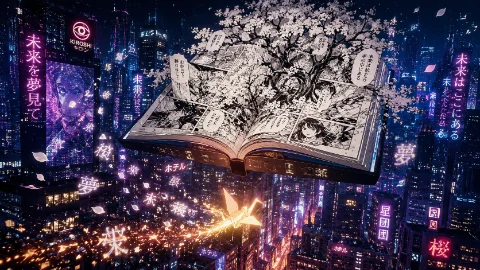
The most fundamental step is recognizing how these two mediums deliver their stories. Manga refers to Japanese comic books and graphic novels, utilizing expressive black-and-white artwork, speech bubbles, and dynamic panels to drive the narrative. Light novels are fast-paced, serialized prose novellas primarily aimed at young adults. They consist mostly of text, feature shorter paragraphs than western novels, and include a dozen full-page anime-style illustrations scattered throughout the volume.
Master the Right-to-Left Reading Flow
When you pick up a physical manga volume for the very first time, you might feel disoriented by the layout. Authentic translation publishing preserves the original Japanese orientation, meaning the spine of the book sits on the right side rather than the left. You read the panels on each page starting from the top-right corner, moving horizontally across to the left, and then dropping down to the next row. The speech bubbles inside the panels follow this exact same right-to-left flow.
Decode the Most Popular Demographic Genres
Japanese publishing categorizes books by the specific target demographic rather than just the story theme. Shonen series focus on action, comedy, and friendship, primarily aimed at young teenage boys. Shojo titles center on romance, emotional growth, and interpersonal relationships, tailored for teenage girls. For mature readers seeking dark psychological themes, complex politics, or gritty action, the Seinen demographic offers sophisticated narratives that push boundaries.
Embrace the Magical World of Isekai
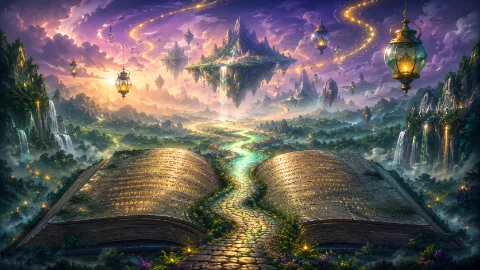
You cannot explore modern light novels without encountering the massive, chart-topping genre known as Isekai, which translates directly to "another world." These addictive stories follow an ordinary, overworked human protagonist who suddenly gets transported, reincarnated, or summoned into a high-fantasy universe or a virtual reality video game. The genre is famous for its incredibly long, descriptive titles that explain the entire premise of the book before you even open the front cover.
Start with Short and Complete Series
It is incredibly easy to lose momentum if you begin your journey with a massive, ongoing series that spans over seventy volumes. Prevent reader fatigue by choosing short, completed stories or standalone anthology books for your first few reads. Look for series that have already concluded within three to five volumes, or select a light novel that tells a self-contained story. Hitting these quick milestones builds confidence and helps you discover your personal taste.