You do not need thousands of words to start speaking English.
Language researchers have found that a very small set of common words makes up most of everyday conversation. Learn the right 100 words and you can already greet people, ask questions, describe your day and understand far more than you expect.
This post gives you those 100 words, sorted into ten easy groups of ten, with simple examples and a practice plan to make them stick.
How to Use This List
Three quick rules before you start:
- Learn in groups, not alphabetically. Related words support each other in memory.
- Learn words inside sentences. A word alone is a seed. A word in a sentence is a plant.
- Ten words a day is enough. This whole list fits into ten short days.
Now, the words.
Group 1: People Words
The words you need to talk about anyone.
- I
- You
- He
- She
- We
- They
- Friend
- Family
- Man
- Woman
Try it: I am with my friend. She is my family.
Group 2: Survival Verbs
The ten most useful actions in the language.
- Be (am, is, are)
- Have
- Go
- Come
- Eat
- Drink
- See
- Want
- Need
- Like
Try it: I want water. We go home. She likes tea.
Group 3: More Daily Verbs
The next ten actions you will use every single day.
- Make
- Take
- Give
- Get
- Know
- Think
- Say
- Work
- Sleep
- Help
Try it: I know him. Please help me. He works here.
Group 4: Everyday Nouns
Things you touch, use and talk about daily.
- House
- Water
- Food
- Phone
- Book
- Money
- Job
- Time
- Day
- Name
Try it: My name is Arun. I have no time today.
Group 5: Places
Where life happens.
- Home
- School
- Shop
- Market
- Office
- Street
- City
- Hospital
- Bank
- Restaurant
Try it: She is at school. The shop is on this street.
Group 6: Essential Adjectives
Ten describing words that cover most situations.
- Good
- Bad
- Big
- Small
- Hot
- Cold
- New
- Old
- Happy
- Easy
Try it: The food is good. This is a new phone. I am happy.
Group 7: Question Words
With these, you can ask about anything in the world.
- What
- Where
- When
- Who
- Why
- How
- Which
- How much
- How many
- Whose
Try it: What is this? Where is the bank? How much is it?
Group 8: Time Words
Words that place your sentences in time. These also choose your tense for you.
- Today
- Tomorrow
- Yesterday
- Now
- Morning
- Evening
- Night
- Week
- Month
- Year
Try it: I will come tomorrow. He called me yesterday.
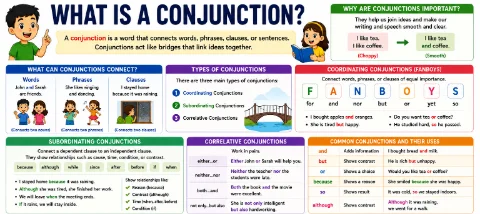
Group 9: Small Connecting Words
Tiny words that glue sentences together.
- And
- But
- Or
- Because
- With
- In
- On
- At
- To
- From
Try it: Tea or coffee? I am at home with my family.
Group 10: Polite and Social Words
The words that open doors and make friends.
- Hello
- Goodbye
- Please
- Thank you
- Sorry
- Yes
- No
- Okay
- Welcome
- Excuse me
Try it: Excuse me, where is the station? Thank you!
The 10-Day Plan to Learn All 100 Words
Here is a simple routine that takes about fifteen minutes a day:
- Morning, 5 minutes: read today's group of ten words out loud, twice.
- Afternoon, 5 minutes: write one short sentence for each word. Simple is perfect.
- Evening, 5 minutes: say yesterday's ten words from memory, then today's.
Each day reviews the day before, so nothing fades. After ten days, spend two more days reviewing all ten groups. Twelve days, one hundred words, solidly yours.
Three Tricks That Make Words Stick
- Attach words to your real life. Do not learn "phone", look at your phone and say it. Real objects build stronger memory than lists.
- Learn opposites in pairs. Hot and cold, big and small, new and old. One pulls the other into memory.
- Use new words the same day. A word used in a real sentence within 24 hours is far more likely to stay with you.
What Comes After These 100 Words?
Once these feel comfortable, you are ready to grow fast:
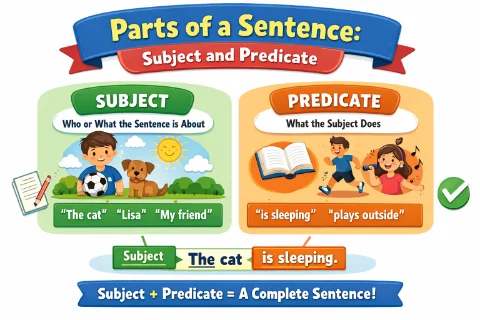
- Combine them using basic sentence patterns like subject + verb + object.
- Add the three basic tenses to talk about yesterday, today and tomorrow.
- Grow towards your first 500 words through daily reading and listening.
The first 100 are the hardest and the most powerful. Everything after this builds on the foundation you now have.
One hundred words sounds small. It is not. It is greetings, questions, needs, feelings, places and time, the true skeleton of daily conversation.
Follow the ten-day plan, keep sentences short and speak out loud from day one. Do not wait until your English is perfect to use it. Use it now, with these words, and let the rest arrive while you talk.